Gut Health Supplements Digestive Enzymes: Alpha-Galactosidase and Beans
Quick Answer: What Alpha-Galactosidase Is For
Alpha-galactosidase is the digestive enzyme aimed specifically at beans. Beans, lentils, peas, soy and cruciferous vegetables contain galacto-oligosaccharides — raffinose, stachyose and verbascose — whose galactose bonds no human enzyme can cut, so they arrive in the colon intact and are fermented into gas by resident bacteria. A supplemental alpha-galactosidase, usually produced from Aspergillus niger, cuts those bonds higher up the gut so the sugars are absorbed in the small intestine instead of being fermented lower down.
- Take it with the first bites, not afterwards. The enzyme has to travel with the food it is meant to act on.
- Read GalU, not milligrams. Servings commonly supply a few hundred galactosidase units.
- It is bean-specific: it does nothing for lactose, wheat fructans, sugar alcohols or swallowed air.
Why beans, specifically, and not everything else
Legumes store energy in a family of short sugar chains called galacto-oligosaccharides, or GOS. The three that matter are raffinose (three sugar units), stachyose (four) and verbascose (five). Each is built around sucrose with extra galactose units hung off it by an alpha-1,6 linkage.
That linkage is the whole story. The human small intestine produces enzymes for a decent range of bonds — sucrase for sucrose, maltase for maltose, lactase for lactose — but it produces no alpha-galactosidase at all. So those galactose units cannot be removed, the chain cannot be dismantled, and nothing is absorbed. The GOS travel the full length of the small intestine untouched and arrive in the colon exactly as they left the plate.
In the colon they meet a large, hungry bacterial population that is delighted by them. Fermentation produces hydrogen and carbon dioxide, some people additionally produce methane, and the resulting gas volume distends the bowel. The timing is what confuses people: because the sugars must travel the whole small intestine first, the gas usually arrives several hours after the meal, often in the evening after a lunchtime chilli, which makes the culprit easy to misidentify.
What the enzyme does about it
Supplemental alpha-galactosidase is produced by fermenting the food-grade mould Aspergillus niger and purifying the enzyme. Taken with a bean-containing meal, it hydrolyses those alpha-1,6 galactose bonds in the stomach and upper small intestine, releasing free galactose and leaving behind sucrose, which your own sucrase then handles. The end products are simple sugars that get absorbed normally rather than fermentable chains that get delivered to bacteria. This is the mechanism a clinical study in Digestive Diseases and Sciences set out to test when it measured the effect of oral alpha-galactosidase on intestinal gas production and gas-related symptoms.
Note what that means mechanically: the enzyme does not stop gas forming, it removes the raw material before the bacteria receive it. This is why the effect is dose-linked to the meal rather than to the person. A modest side of lentils may be fully covered by a single serving; a large bowl of three-bean chilli represents several times the substrate and may not be. Among gut health supplements digestive enzymes are unusual in that the correct dose depends on what is on the plate, not on your body weight.
Gas that shows up whatever you eat?
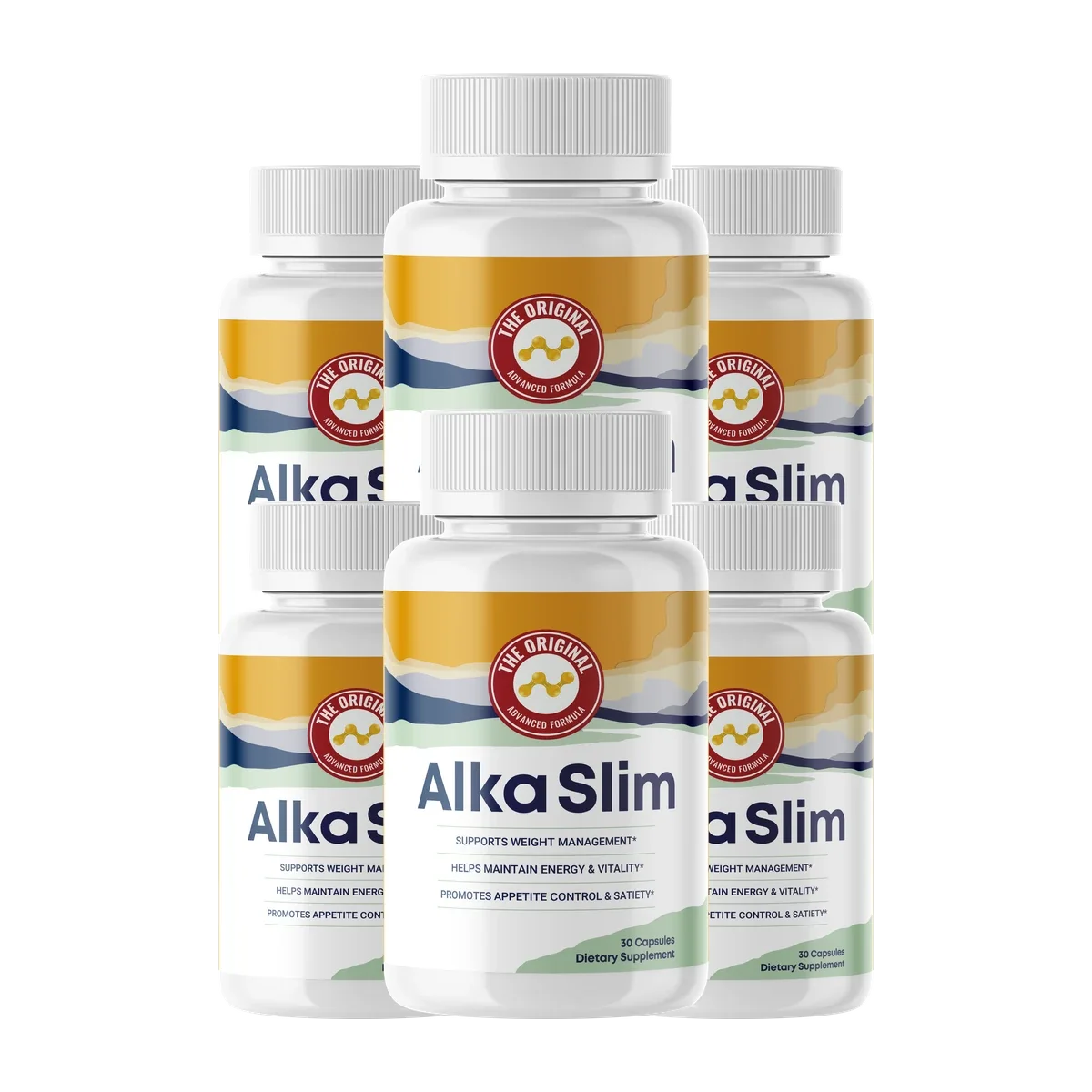
If distension is a daily background hum rather than a bean-specific event, an enzyme is the wrong tool. AlkaSlim is a once-daily fibre-led capsule with a 60-day money-back guarantee.
See the Official StoreUnits and timing on gut health supplements digestive enzymes labels
Enzyme potency is measured as activity rather than mass. Alpha-galactosidase is expressed in GalU — galactosidase units — and a serving commonly supplies a few hundred of them. A label giving only milligrams is describing the weight of a powder blend, which tells you nothing about how much work the enzyme can do.
Timing is the other half. The enzyme must be swallowed at the start of the meal so that it mixes with the food during gastric churning. It is a protein, so stomach acid degrades it progressively; a long, slow meal with second helpings sometimes needs a second serving partway through. And it is useless retrospectively — once the GOS have reached the colon, no enzyme taken by mouth will ever catch up with them.
| Source of gas | Carbohydrate responsible | Enzyme that would help | Alpha-galactosidase? |
|---|---|---|---|
| Beans, lentils, peas, soy | Raffinose, stachyose, verbascose (GOS) | Alpha-galactosidase | Yes — this is its target |
| Broccoli, cabbage, sprouts | GOS plus insoluble fibre | Alpha-galactosidase, partially | Partly |
| Milk, ice cream, soft cheese | Lactose | Lactase | No |
| Wheat, rye, onion, garlic | Fructans | No reliable supplemental enzyme | No |
| Sugar-free gum and sweets | Sorbitol, xylitol, maltitol | None — reduce intake instead | No |
| Eating fast, fizzy drinks, straws | Swallowed air | None — a behaviour, not a sugar | No |
Most disappointment with this category is explained by that table. Someone buys an enzyme for “bloating”, keeps eating bread and onions, and concludes the product is useless. It was simply pointed at a different molecule.
The trade-off nobody puts on the box
Galacto-oligosaccharides are not merely a nuisance. They are prebiotics: they are among the fermentable carbohydrates that feed bifidobacteria and other beneficial residents of the colon, and the short-chain fatty acids produced by that fermentation are part of why legume-rich diets track so consistently with better long-term health. Gas is a by-product of a process that is, in itself, doing something useful.
An alpha-galactosidase supplement removes that substrate before the bacteria get it. You gain comfort and you give up the prebiotic effect of that particular meal. That is a legitimate trade and often a sensible one — a dinner party is not the moment for microbial husbandry — but it should be a decision rather than an accident. Using an enzyme every day, for every legume, quietly cancels one of the better reasons to eat legumes at all. The related distinction between feeding your existing bacteria and swallowing new ones is covered in our piece on Bifidobacterium lactis strains.
The gas from beans is the sound of your colon being fed. That is an argument for adapting gradually, not only for switching the feeding off.
Kitchen methods that reduce the load before you buy anything
GOS are water-soluble, which hands you several free interventions. Soaking dried beans and discarding the soaking water removes a meaningful share of them; so does draining and thoroughly rinsing canned beans, since much of what leached out is sitting in the tin liquid. Long cooking and pressure cooking degrade more. Sprouting reduces them as well.
Then there is adaptation, which is the most underrated option on the list. People who eat legumes regularly commonly report that the gas settles substantially over a few weeks as the colonic community adjusts to a steady supply. Starting with small portions several times a week, rather than a heroic bowl once a month, is the approach that tends to work — and it is the one that keeps the prebiotic benefit instead of trading it away.
What alpha-galactosidase cannot do
It cannot address bloating that is not caused by GOS fermentation. Milk sugar is the other classic culprit and needs a completely different enzyme, which we cover in lactase enzymes and dairy digestion. Distension driven by constipation, slow motility, visceral hypersensitivity or the abdominal wall reflex some people develop has no fermentable sugar for the enzyme to remove. Nor does it help with swallowed air, which is a behaviour rather than a chemistry problem.
It is not appropriate for everyone. Anyone with galactosemia must avoid it, because the enzyme's whole function is to liberate galactose. People managing blood glucose should understand the trade explicitly: unabsorbable oligosaccharides are converted into absorbable simple sugars, which is the point of the product and also a change worth discussing with whoever manages your care. The enzyme is fungal in origin, so a known mould sensitivity is worth raising with a pharmacist.
And it cannot substitute for assessment. Bloating that is new and persistent, especially with weight loss, blood in the stool, vomiting, fever, difficulty swallowing or a change in bowel habit lasting weeks, needs a clinician rather than a supplement. That is true whichever bottle you are holding, and it is worth saying plainly on a page whose neighbours in search results usually will not.
Where a daily fibre product fits instead
AlkaSlim is a once-daily fibre-led capsule, not an enzyme product, and it contains no alpha-galactosidase. The two categories are shelved together and answer different questions: the enzyme is a per-meal intervention aimed at one class of carbohydrate, while viscous soluble fibre is a per-day intervention aimed at stool bulk, transit and how full a meal feels.
People searching for the best gut health and debloat supplement are usually describing a background problem rather than a bean-specific one, and that is the fibre lane. It comes with its own honest catch: added soluble fibre commonly produces more gas for the first fortnight while the microbiome adapts, which is precisely the effect people bought it to avoid. Fat digestion is a third mechanism again, and we covered it separately in ox bile and lipase after fatty meals. Whichever route you take, judge it on a two-month window rather than a two-week one.
Frequently asked questions
What does alpha-galactosidase actually break down?
It splits the galactose bonds in galacto-oligosaccharides — raffinose, stachyose and verbascose — which are concentrated in beans, lentils, peas, soy and cruciferous vegetables. Humans make no enzyme for those particular bonds, so without help the sugars travel intact to the colon and are fermented into gas.
When do I take an alpha-galactosidase supplement?
With the first few bites of the meal that contains the beans. The enzyme has to mix with the food to work on it, so swallowing it after the plate is empty is too late. It also cannot help with a meal you ate earlier, because that food has already reached the colon.
Does alpha-galactosidase help with all bloating?
No. It only addresses gas produced from galacto-oligosaccharides. Bloating from lactose, wheat fructans, sugar alcohols, swallowed air, constipation or gut motility is untouched by it, which is why some people notice a clear difference with beans and none at all with bread or onions.
Who should avoid alpha-galactosidase?
Anyone with galactosemia should avoid it, because the enzyme releases galactose. People managing blood glucose should know it converts unabsorbable oligosaccharides into absorbable simple sugars. Products are usually fungal-derived, so anyone with a known mould sensitivity should check the source and ask a pharmacist.
Scientific references
- NIDDK, National Institutes of Health — Gas in the Digestive Tract
- Harvard T.H. Chan School of Public Health, The Nutrition Source — Legumes and Pulses
- PubMed — The effect of oral alpha-galactosidase on intestinal gas production and gas-related symptoms (Digestive Diseases and Sciences, 2007)
- Mayo Clinic — Gas and gas pains: symptoms and causes
- NCBI Bookshelf, National Library of Medicine — carbohydrate digestion and absorption
For everyday bloat rather than bean nights
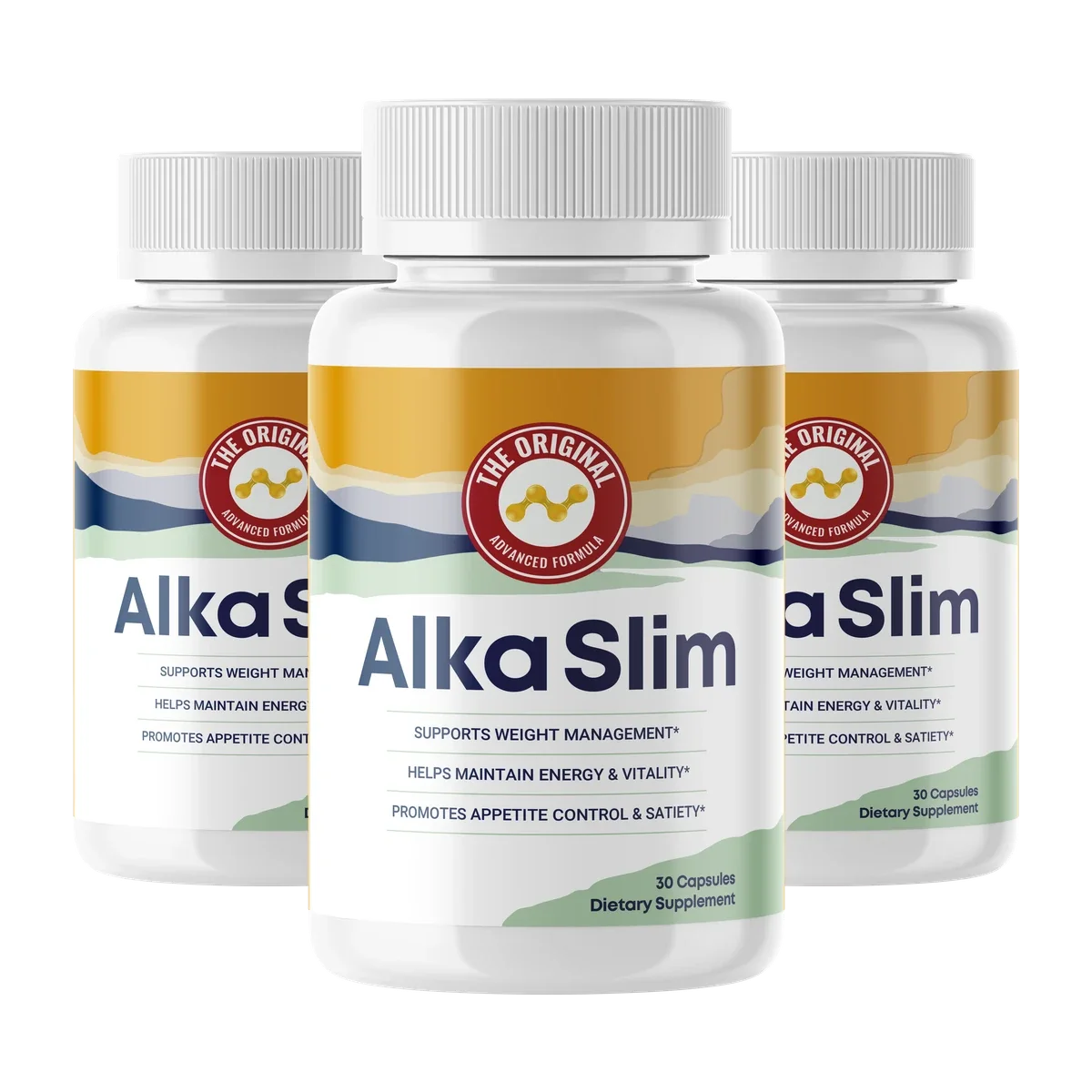
If you have been hunting for the best gut health supplement on the market for daily comfort, AlkaSlim is a once-daily fibre-led capsule with a 60-day money-back guarantee.
Check Availability at the Official Store