Bifidobacterium Lactis: Gut Health Supplement Probiotic Profile
Quick Answer: What Is Bifidobacterium Lactis?
Bifidobacterium lactis is a species of gut bacterium sold as a gut health supplement probiotic, almost always under a specific strain code such as BB-12, HN019 or Bi-07. Its full taxonomic name is Bifidobacterium animalis subspecies lactis, and the findings reported in the research belong to those individual strains rather than to the species as a whole. It has been studied most for bowel regularity, stool consistency and general digestive comfort, and it is a transient passenger rather than a permanent resident — stool counts of a supplemented strain typically fall away within one to three weeks of stopping.
- Read three names, not one: genus, species and the strain code after it. The code is the part the research is attached to.
- Studied for: transit time and stool regularity, everyday digestive comfort, and some immune markers — with evidence quality varying a lot by strain.
- Not a fix for fat loss: no probiotic species has been shown to reliably shift body weight on its own.
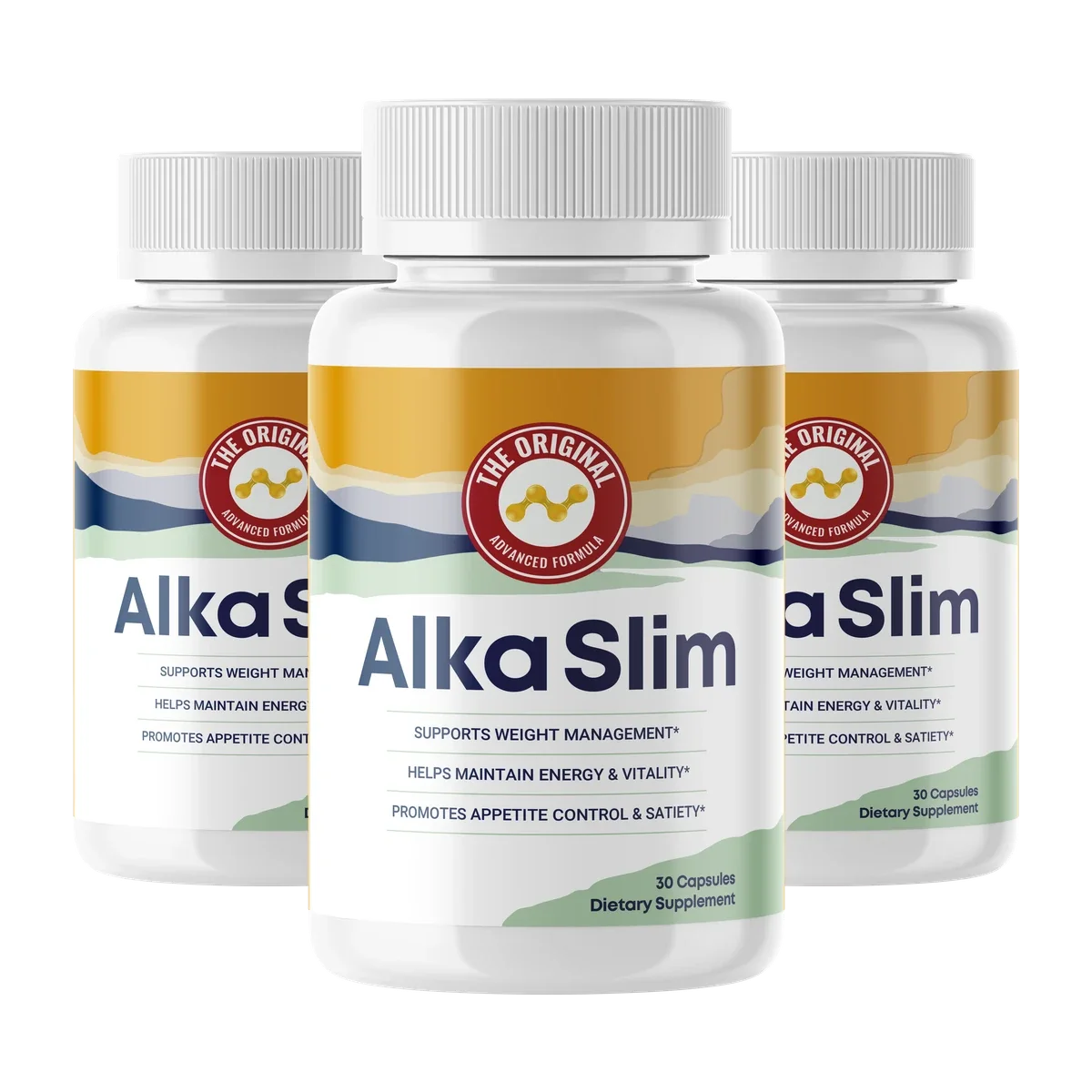
The label has three names on it, and only one of them counts
A probiotic organism is identified at three levels: genus, species and strain. Written properly, the thing in the bottle is Bifidobacterium (genus) animalis (species) subspecies lactis, followed by a strain designation like BB-12, HN019, Bi-07 or B420. The supplement industry shortens all of that to “B. lactis”, which is convenient and slightly misleading, because the shortened form hides the only part of the name that carries research behind it.
This matters more than it sounds. Two strains of the same subspecies can differ in which surface proteins they carry, which sugars they ferment, how well they tolerate bile, and how they interact with the immune tissue of the gut wall. A finding demonstrated in a trial of one strain does not automatically transfer to another strain in the same bottle-shaped category, any more than results from one breed of dog tell you about another. When a product says only “contains Bifidobacterium lactis” with no code, there is no way to check what, if anything, has been tested.
The organism itself is a real inhabitant of the human gut. Bifidobacteria dominate the large intestine of breastfed infants and remain present, at lower abundance, into adulthood. They are strict or near-strict anaerobes, which explains a great deal about how these products have to be manufactured and stored.
What Bifidobacterium lactis has actually been studied for
The honest summary is that the strongest body of work concerns bowel function. Several strains have been examined for their effect on whole-gut transit time and stool frequency in adults who report sluggish or irregular bowels, and this is the area where a person searching for the best gut health probiotic supplement is most likely to find something relevant to them. Effects reported in this space are generally modest — measured in hours off transit time or an extra bowel movement or two per week, not a transformation.
A second cluster of research looks at digestive comfort in otherwise healthy adults: bloating, distension and self-reported discomfort after meals. Findings here are mixed and harder to interpret, partly because the outcome is subjective and partly because placebo responses in gut symptom trials are famously large.
A third area covers immune markers — things such as antibody responses and the activity of certain white cell populations. This work is real but it is laboratory-marker research, and a change in a marker is not the same thing as a change in whether you get ill. Any page that leaps from one to the other is overselling.
Where the evidence is weakest is body weight. Probiotics as a category have been examined for weight and waist circumference and the results have been inconsistent enough that no reputable body regards them as a weight intervention. Anyone shopping for the best gut health supplement on the strength of a fat-loss promise attached to a bacterium is buying a story rather than a finding. The clearest example is strain-specific and narrow: a three-month randomised controlled trial in the International Journal of Obesity found that Bifidobacterium animalis subsp. lactis CECT 8145 shifted waist circumference and related adiposity measures in abdominally obese adults — one strain, one population, and waist measurements rather than fat loss.
Prefer to start with fibre rather than bacteria?
AlkaSlim is a once-daily fibre-led capsule with a 60-day money-back guarantee. It is not a probiotic, and this page will keep telling you the difference.
See the Official StoreStrain codes, and why they are not interchangeable
Below is a plain-language map of the strain designations you are most likely to meet on a label, what each has been examined for, and an honest note on how much weight that work can bear. The evidence column is our assessment of the depth and consistency of the published literature, not a score anyone official has issued.
| Strain code | Most studied for | Typical daily amount in studies | Depth of evidence |
|---|---|---|---|
| BB-12 | Stool consistency, bowel regularity, immune markers | Low billions of CFU | Largest published body of work for this subspecies |
| HN019 | Whole-gut transit time, digestive comfort | Low billions of CFU | Moderate; several transit-time trials |
| Bi-07 | Digestive comfort, immune markers, often in blends | Low billions of CFU | Limited as a single strain; usually tested in combinations |
| B420 | Body composition and waist measures | Low billions of CFU | Weak and inconsistent; nothing settled here |
| No code printed | Nothing verifiable | Unknown | None you can check |
The last row is the most common one in the discount aisle. If the label names a species and stops there, the manufacturer has told you the genus of the organism and nothing about which version of it you are swallowing.
A probiotic claim that names a species but not a strain is like a citation that names a journal but not a paper. It gestures at evidence without letting you check any.
CFU counts, and when the count was taken
Probiotic doses are expressed in colony-forming units, or CFU — a count of viable organisms. Studies of Bifidobacterium lactis strains commonly use doses in the low billions per day, and there is no evidence that piling on more delivers more. The dose-response relationship for gut bacteria is not a straight line, and a product boasting an enormous headline number is competing on a metric that has never been shown to be the important one.
Far more important is when the count was measured. A CFU figure declared “at time of manufacture” describes a bottle that no longer exists by the time it reaches you; live anaerobes die off steadily through warehousing, shipping and shelf life. A figure guaranteed “through end of shelf life” or “at expiry” is the only one that describes what you will actually take. Two products can print the same number and deliver wildly different amounts.
Where blends are involved, be more sceptical again. A label reading “15 billion CFU proprietary blend of eight strains” tells you the total and hides the split. Eight strains at a token amount each is a marketing decision dressed as a formulation.
Storage, oxygen and the trip past stomach acid
Bifidobacteria are anaerobes: oxygen damages them. They are also sensitive to heat and to moisture, which is why serious products use blister packs or desiccant-sealed bottles rather than a loose jar, and why refrigeration is specified for some formulations and genuinely matters when it is. A bottle that lived in a hot delivery van or on a sunny kitchen shelf has lost viable organisms that no amount of label copy restores.
Then there is gastric acid. Anything swallowed must survive a stomach that runs at a pH designed to kill microorganisms, followed by bile in the small intestine. Manufacturers respond with acid-resistant capsules, microencapsulation, or by selecting strains that tolerate the trip natively — Bifidobacterium lactis is generally considered comparatively robust here, which is part of why it became a commercial workhorse. It is still worth taking as the label directs, because timing relative to meals changes stomach acidity.
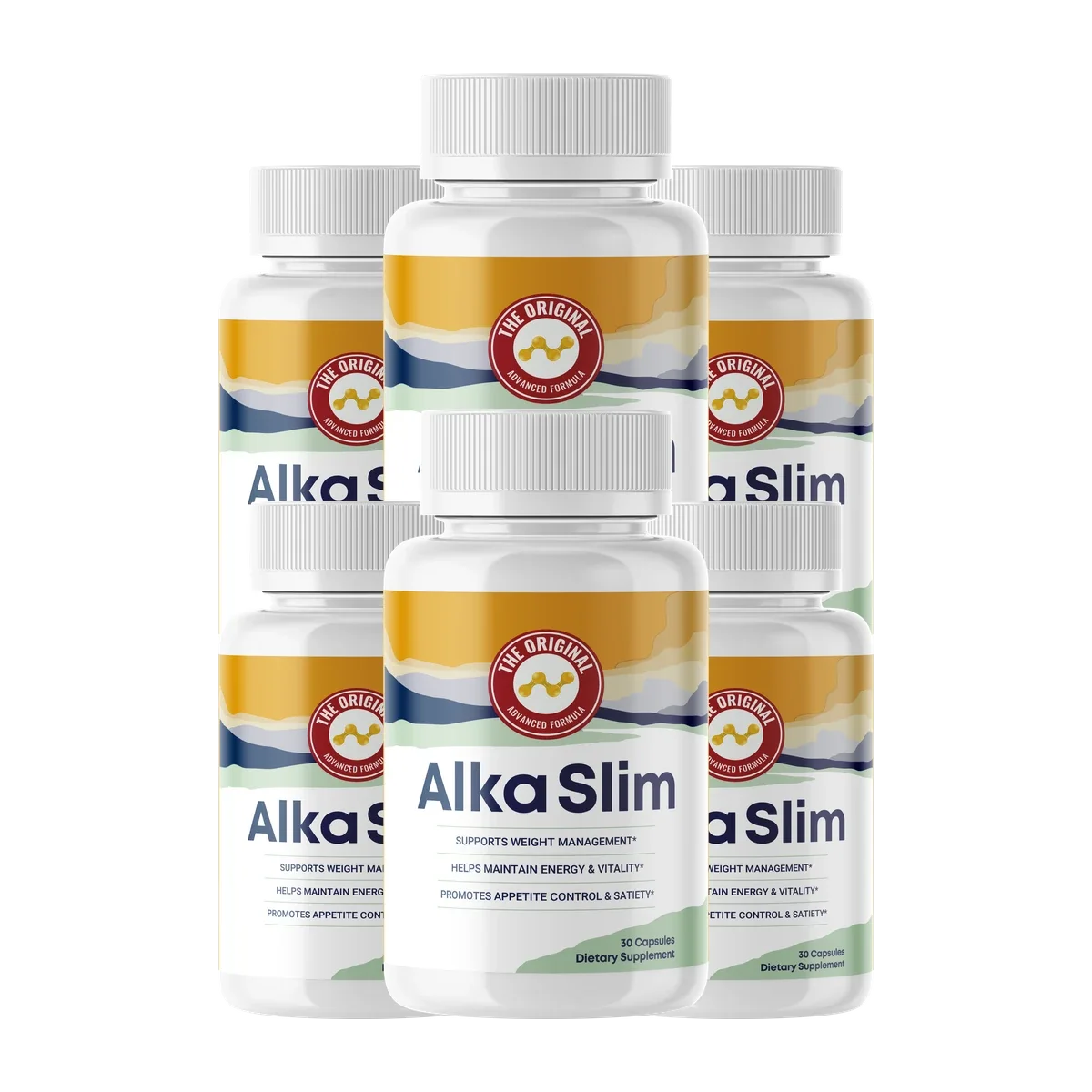
Prebiotic fibre versus probiotic bacteria, and where AlkaSlim sits
Two words that look alike do opposite jobs. A probiotic adds live organisms. A prebiotic feeds the organisms already living in your colon — typically fermentable fibres such as inulin, the galacto-oligosaccharides that give beans their reputation, or the soluble fibre in konjac and baobab. Both routes aim at the same ecosystem from different ends, and for many people the fibre route is the one with the clearer everyday effect, because most adults eat well under the recommended fibre intake and the deficit is easy to correct.
AlkaSlim is a fibre-led daily capsule, not a probiotic. It contains no Bifidobacterium lactis and we are not going to pretend otherwise. If you arrived here searching for a probiotic, the honest answer is that AlkaSlim is a different tool: it works by adding viscous soluble fibre, which slows gastric emptying, bulks stool and gives colonic bacteria something to ferment. If you arrived here because bloating and appetite are the actual problem, that fibre mechanism may be more directly relevant to you than a strain code.
One warning that applies to both: fibre and probiotics alike commonly cause a fortnight of extra gas while the gut adapts. We wrote about how that adjustment period gets misread in water weight versus fat loss in the first two weeks, and the same trap applies here. If you also react badly to dairy, the enzyme side of the story is covered in our piece on lactase enzymes and dairy digestion.
What a gut health supplement probiotic cannot do
It cannot rebuild a microbiome. The adult gut community is shaped by years of diet, medication and environment, and a daily capsule of one or two strains is a small input against that. Supplemented strains generally do not take up residence; they pass through, possibly doing something useful on the way.
It cannot substitute for medical assessment. Persistent change in bowel habit, blood in the stool, unintentional weight loss, night-time symptoms that wake you, fever, or severe or escalating pain are reasons to see a clinician, not reasons to buy a supplement. A probiotic is also not appropriate for everyone: people who are immunocompromised, critically ill, or living with a central venous catheter should not start one without medical advice, because rare bloodstream infections have been described in exactly those groups.
It cannot deliver weight loss on its own, and it cannot make a poor diet irrelevant. The most useful thing anyone can do for their colonic bacteria is eat more plants and more varied fibre — a boring recommendation that no supplement has yet outperformed. And it cannot compensate for a product with no strain code, no shelf-life CFU guarantee and no third-party testing, however attractive the weight loss supplement price on the checkout page happens to look.
Frequently asked questions
Is Bifidobacterium lactis the same as Bifidobacterium animalis?
Effectively yes. The full name is Bifidobacterium animalis subspecies lactis, and “B. lactis” is the shorthand the supplement industry uses. Both names on a label refer to the same subspecies, so seeing them written differently on two products does not mean the two contain different organisms.
How long does Bifidobacterium lactis stay in the gut?
For most people it is transient. Studies that sample stool after supplementation stops generally find the supplemented strain falls away over roughly one to three weeks. It behaves like a passing guest rather than a permanent resident, which is why any effect tends to depend on continued daily intake.
What CFU count should a gut health supplement probiotic have?
Match the amount the strain was studied at rather than chasing the biggest number. Many Bifidobacterium lactis trials use doses in the low billions of CFU per day. A higher count is not automatically better, and a count printed “at time of manufacture” can be far lower by the time you open the bottle.
Can Bifidobacterium lactis cause side effects?
Gas, bloating and looser stools in the first days are commonly reported and usually settle. Probiotics are not appropriate for everyone: people who are immunocompromised, critically ill, or who have a central venous catheter should not start one without medical advice, because rare bloodstream infections have been described in those groups.
Scientific references
- National Center for Complementary and Integrative Health, NIH — Probiotics: What You Need To Know
- Harvard T.H. Chan School of Public Health, The Nutrition Source — The Microbiome
- PubMed — Effects of daily consumption of the probiotic Bifidobacterium animalis subsp. lactis CECT 8145 on anthropometric adiposity biomarkers in abdominally obese subjects: a randomized controlled trial (Int J Obes, 2019)
- Mayo Clinic — Probiotics and prebiotics: what you should know
- NCBI Bookshelf, National Library of Medicine — background on probiotic organisms and safety
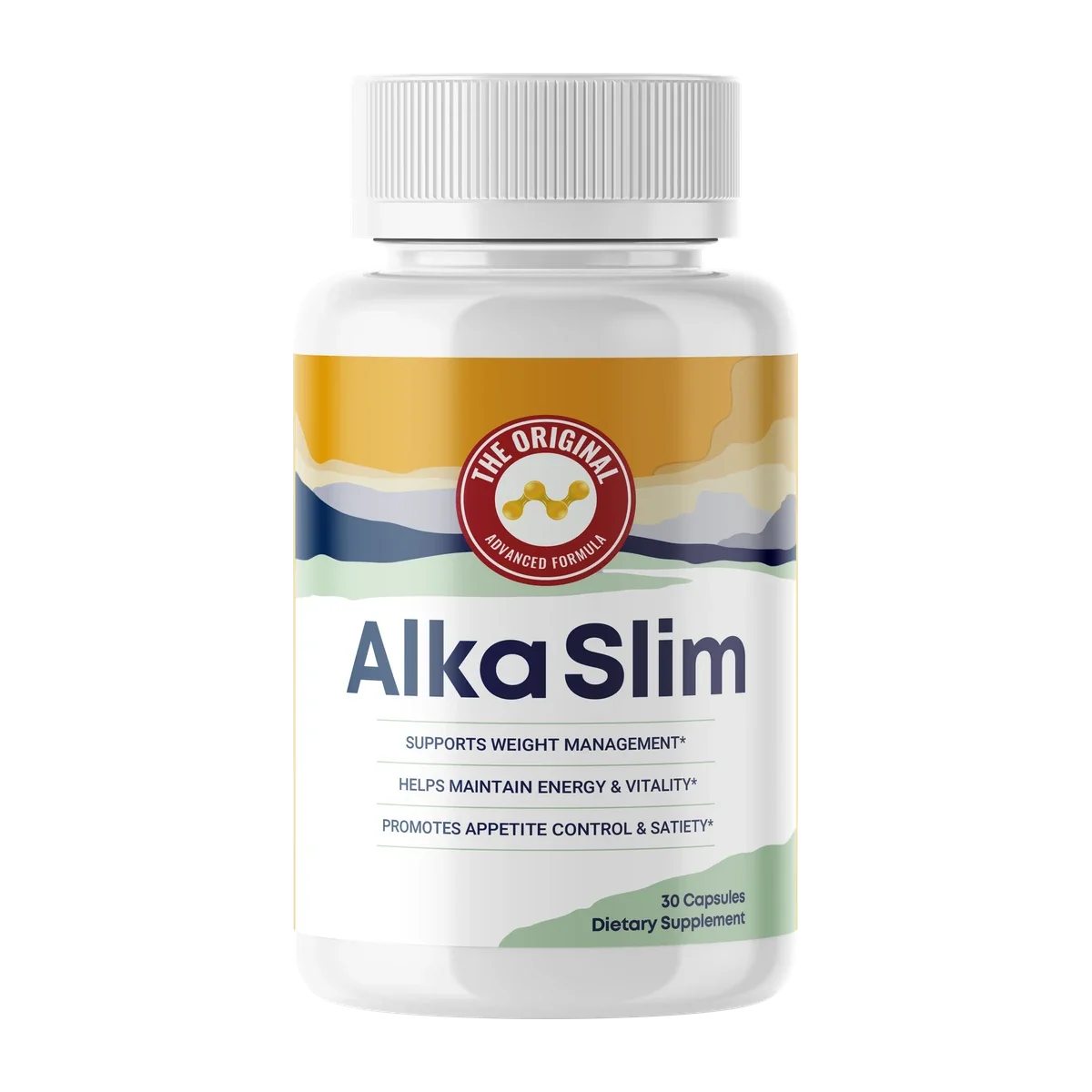
A fibre-first alternative to the probiotic aisle
If what you actually want is the best fiber supplement for gut health and weight loss rather than a strain code, AlkaSlim is a once-daily capsule with a 60-day money-back guarantee — long enough to judge it properly.
Check Availability at the Official Store