Baobab Fiber in AlkaSlim: What It Is and What It Does
Quick Answer: What Is Baobab Fiber in AlkaSlim?
Baobab fiber in AlkaSlim is a soluble fiber made from baobab fruit pulp, which is roughly half fiber by weight. It sits beside konjac glucomannan to support fullness. Take one capsule a day with a full glass of water; the label does not list an amount for it.
- What it is: soluble, pectin-type fiber from baobab fruit pulp.
- Its job: a second fiber that adds bulk and fullness.
- Early effect: mild gas is possible while the gut adjusts.
- Amount: not disclosed on the label.
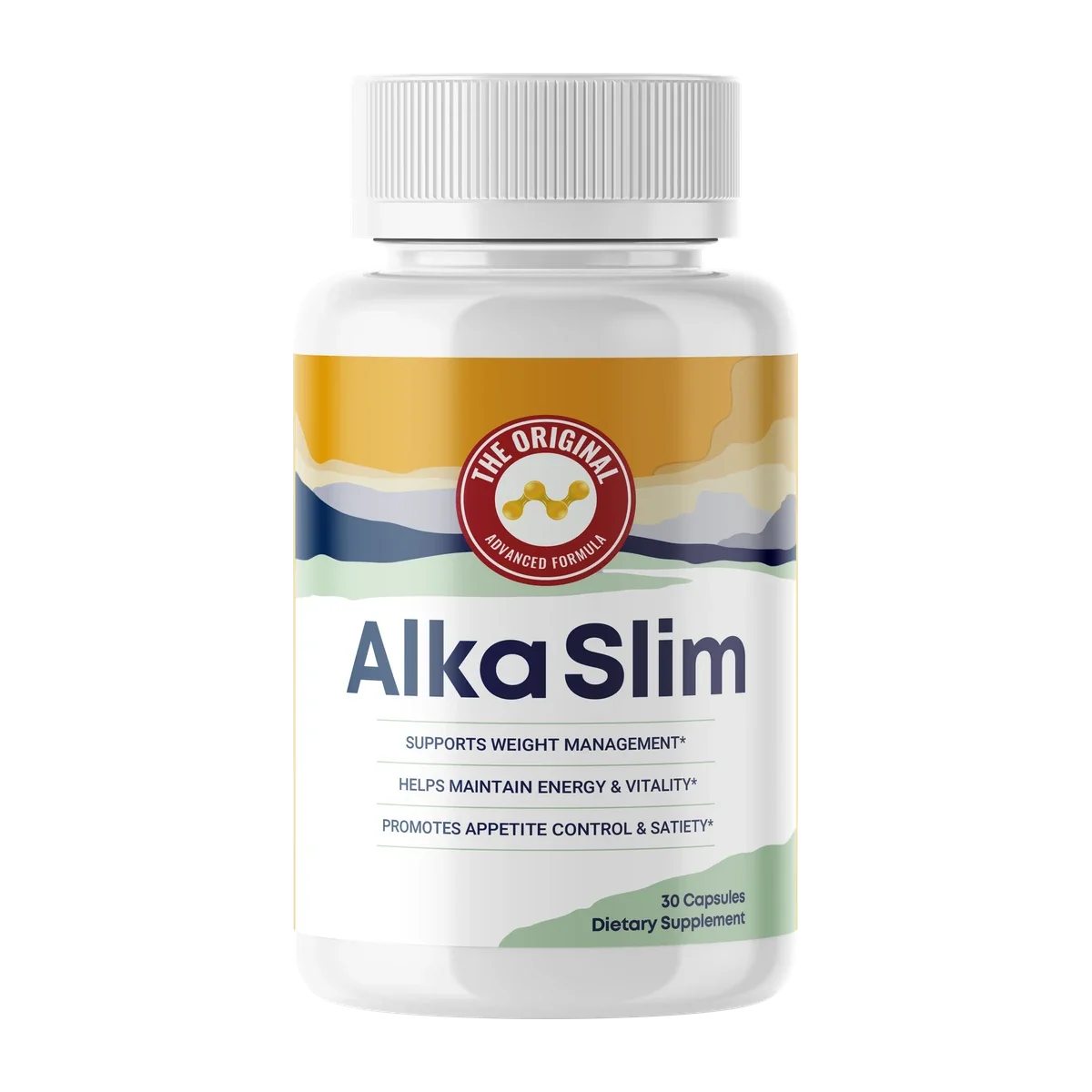
Baobab fiber is the second name on the AlkaSlim label, right after konjac glucomannan. It is also the ingredient most buyers have never met. This page explains what baobab fiber is, why it sits in the capsule, what small studies have looked at, and what the label does not tell you.
What is baobab fiber?
Baobab is a large tree of the African savanna, and its fruit holds a dry, powdery pulp. That pulp is roughly half fiber by weight, and much of the fiber is the soluble, pectin-type kind. In the AlkaSlim formula it is listed as baobab fiber, from the fruit pulp of Adansonia digitata.
Soluble fiber takes up water and turns to a gel. That is why it is used in products that aim to make a meal feel larger. Baobab belongs to the same family of fibers as the glucomannan on the same label, and the two work in the same direction.
Why baobab sits next to konjac glucomannan
Konjac glucomannan and baobab fiber are the two soluble fibers in the formula. Together they account for almost everything a first-time user notices: slower stomach emptying, bulkier stools and meals that feel bigger. The other two names, L-arabinose and spermidine, do quite different jobs. Our ingredients breakdown sets all four side by side.
Think of baobab as the supporting fiber. Glucomannan is the one the satiety claim rests on, because it is exceptionally viscous. Baobab adds more fermentable, pectin-type material to the mix. Whether it adds much depends on how much of it is in the capsule, and that is the one thing the label does not say.
What research has looked at
Small human studies have looked at baobab pulp for two things: blunting the blood sugar response to a starchy meal, and satiety. One of the papers we rely on is a 2013 study in Nutrition Research on a polyphenol-rich baobab fruit and starch digestion. These are small studies on pulp, not on this capsule.
The key detail is the format. That research used gram quantities of pulp, usually stirred into a drink. A single capsule is a much smaller vehicle than a glass of fruit pulp. With no amount published, there is no way to compare the two.
See the formula for yourself
AlkaSlim comes with a 60-day money-back guarantee on official-store orders, long enough to judge a fibre formula over several weeks.
Visit the Official StoreAmount not disclosed
AlkaSlim publishes no Supplement Facts panel and no milligram figure for baobab fiber. Every ingredient on the label has the same gap. We list baobab as "amount not disclosed" rather than invent a number, because anything under an invented figure would be meaningless.
For a buyer, that means two things. You cannot tell whether a capsule carries a researched amount or a token one. And you should read baobab as one of two fibers behind a fullness claim, not as an ingredient with a proven result of its own.
What baobab fiber does in your gut
Like other soluble fibers, baobab pulp is fermentable to a degree. Gut bacteria meet more fermentable material than they are used to, and that can mean extra gas or bloating in the first couple of weeks. This is the opposite of the advertised effect, and it usually passes as the gut adjusts. Our page on AlkaSlim bloating explains why and how to ease it.
Fiber also needs water. Take the capsule with a full glass, since viscous fiber has to gel in the stomach in the right place. The full routine is in how to take AlkaSlim daily.
What baobab fiber cannot do
No ingredient on this label burns fat directly. Fat responds to a sustained energy deficit, and the formula's only route to one is appetite. Baobab can help a meal feel larger at best. It cannot supply a deficit by itself. For the same reason, we would not credit any early scale change to it. Swings of a pound or two in week one are mostly water and food in transit.
Judge the capsule over 8 to 12 weeks, weigh weekly under the same conditions and note your hunger. See how long until AlkaSlim works for a realistic timeline.
Related reading
- AlkaSlim ingredients breakdown: all four names and what each does.
- Glucomannan for appetite control: the lead fiber beside baobab.
- L-arabinose in AlkaSlim: the table sugar ingredient.
- How to take AlkaSlim daily: timing, water and consistency.
- How long until AlkaSlim works: an honest results timeline.
Frequently asked questions
What is baobab fiber in AlkaSlim?
It is a soluble fiber from the pulp of the baobab fruit, listed as the second ingredient on the AlkaSlim label. It works alongside konjac glucomannan to add bulk and support fullness before a meal.
How much baobab fiber is in each AlkaSlim capsule?
The amount is not disclosed. AlkaSlim publishes no Supplement Facts panel, so none of the four ingredients has a stated amount. Studies on baobab used gram quantities of pulp, usually in a drink.
Can baobab fiber cause gas or bloating?
It can, in the first couple of weeks. Baobab pulp is fermentable, so gut bacteria meet more material than usual. Take the capsule with a full glass of water, and speak with your doctor if discomfort does not settle.
Is baobab fiber in Alka Slim from a fruit?
Yes. Baobab fiber is a soluble fiber made from baobab fruit pulp, which is roughly half fiber by weight.
References
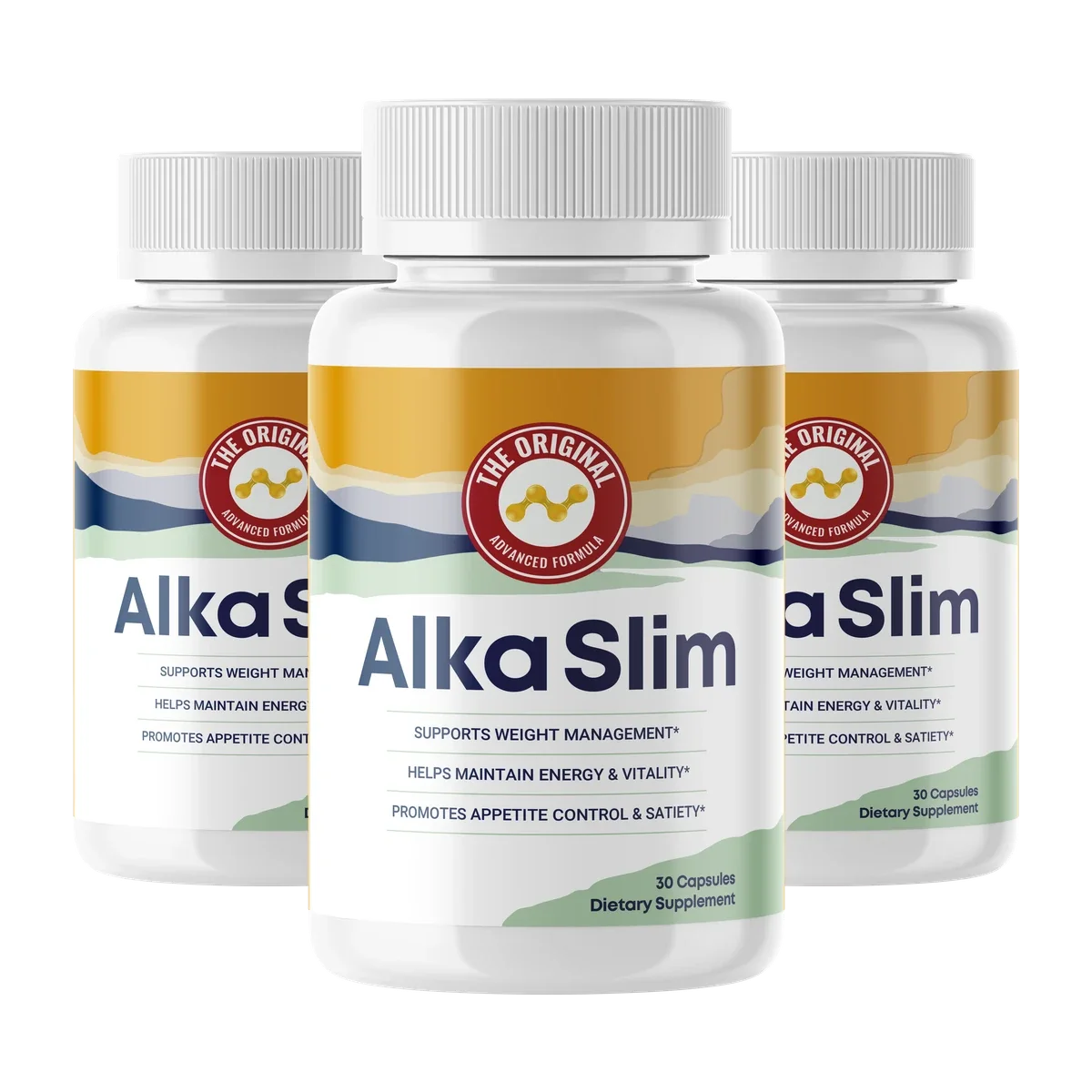
Order Alka Slim from the official website
Three bottles are $177 ($59 each) and cover 90 days. Every order on the official store carries the 60-day money-back guarantee.
Go to the Official Store