Glucomannan Appetite Suppressant: The Fiber Behind AlkaSlim, Explained
Quick Answer: How Does Glucomannan Control Appetite?
Glucomannan is a glucomannan appetite suppressant fiber from konjac root. Taken with water before meals, it absorbs many times its weight in fluid and swells into a gel that fills the stomach, slows emptying, and stretches the gut wall to signal fullness, so you feel satisfied on fewer calories.
- Timing is the trick. Take it about 15–30 minutes before a meal with a full glass of water.
- The evidence is modest but real. Roughly 3.8 kg lost over 5 weeks with a calorie-controlled diet, versus 2.5 kg on placebo.
- It supports a diet, it does not replace one. Glucomannan makes eating less easier, not automatic.
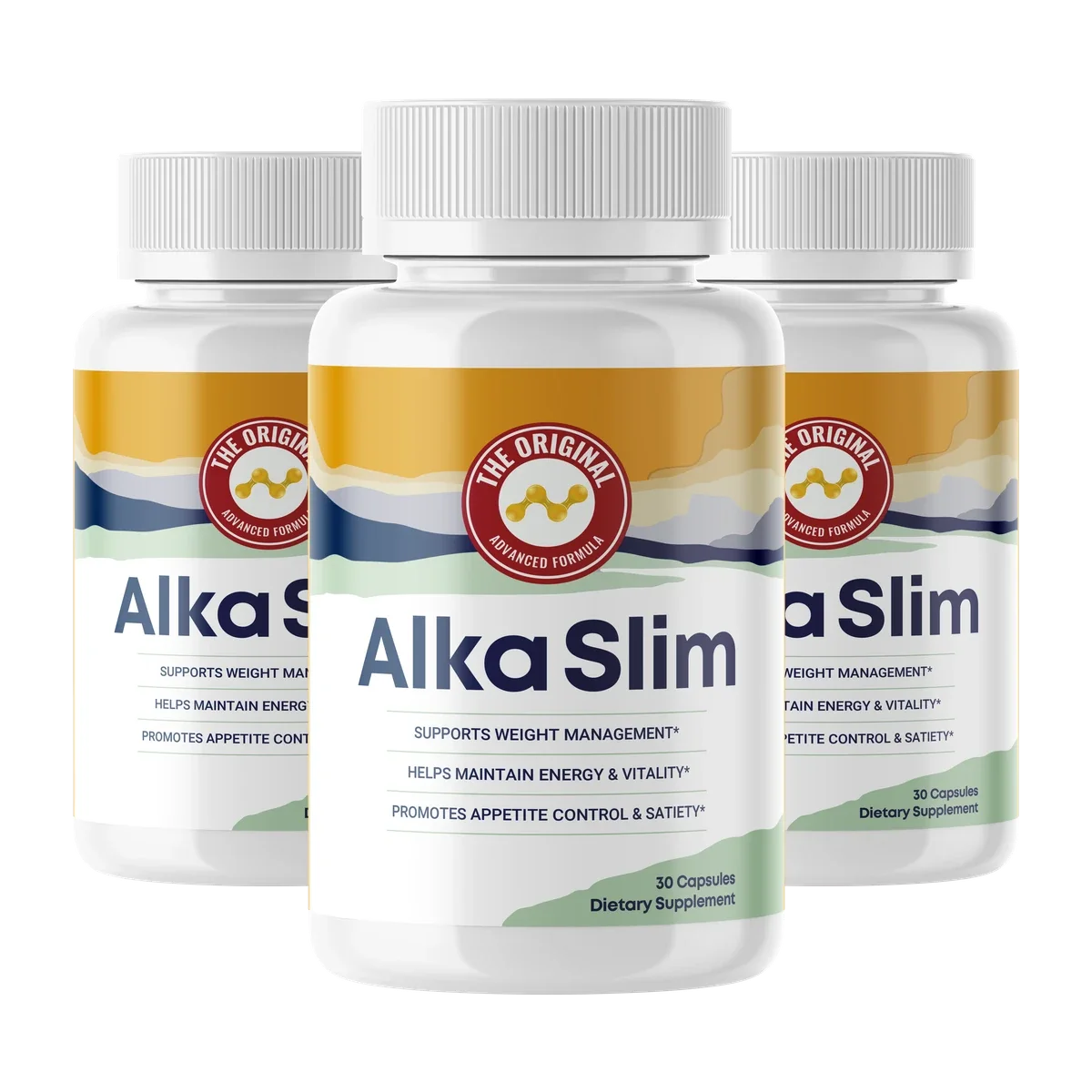
If you have ever finished a bowl of oatmeal and felt oddly full for hours, you have already met the principle behind a glucomannan appetite suppressant. Glucomannan is the most viscous soluble fiber sold in supplement form, extracted from the root of the konjac plant, and it is the core ingredient inside AlkaSlim. It does not spike your heart rate, flood you with caffeine, or promise to melt fat overnight. It works through something far more mundane and far more reliable: water, volume, and the ancient signalling system that tells your brain the meal has landed. This page is a plain-language, evidence-first tour of how that works, how to use it, and where the honest limits are.
The appeal of a fiber-led approach is that it sidesteps the two things people hate most about weight-loss products: jitters and false promises. There is no stimulant crash with glucomannan because there is no stimulant. And there is no mystery mechanism, because the mechanism is visible in a glass. Stir konjac fiber into water and watch it thicken into a soft, slow gel within minutes. That same transformation happening in your stomach is the entire story of appetite control here.
What glucomannan actually is
Glucomannan is a chain of two sugars, glucose and mannose, linked into long molecules that your own digestive enzymes cannot break apart. That indigestibility is the point. Because it is not absorbed in the small intestine, it stays in the gut doing physical work rather than being converted to calories. It is classed as a soluble, highly viscous, partly fermentable fiber, and among common fibers it holds the most water per gram, which is why it produces such a thick gel from such a small dose.
Konjac itself is not exotic in every kitchen. In parts of Asia the same plant is turned into shirataki noodles and jelly, foods prized precisely because they deliver bulk and a satisfying texture with almost no calories. The supplement simply concentrates that fiber into a measured dose you can take before a meal instead of cooking with it. If you want the wider context of how fiber capsules earn their keep, our explainer on how weight loss capsules actually work in the body puts glucomannan alongside the other mechanisms on the shelf.
How the glucomannan appetite suppressant works
There are three overlapping effects, and they stack. The first is volume. When you drink glucomannan with water 15 to 30 minutes before eating, it absorbs the fluid and expands into a gel that physically occupies space in the stomach. You arrive at the meal already partly full, so the amount of food it takes to feel satisfied is smaller. This is not a trick of the mind; it is a genuine reduction in the gastric room available.
The second effect is delayed gastric emptying. The thick gel does not drain out of the stomach as quickly as watery stomach contents do. Because the stomach stays fuller for longer, the return of hunger is pushed back, and the blood-sugar rise from the meal is blunted and smoothed rather than spiking and crashing. That gentler glucose curve is part of why people report fewer mid-afternoon cravings on a viscous fiber.
The third effect is hormonal signalling. Stretch on the gut wall and the slow arrival of nutrients into the intestine both prompt the release of the body's own satiety hormones, GLP-1 and PYY. These are the same hormones the well-known injectable drugs mimic, though the scale is entirely different. Fiber gives them a gentle physiological nudge, not a pharmaceutical flood. We unpack that comparison carefully in our piece on how fiber influences GLP-1 and other satiety hormones, and it is essential reading before anyone believes a fiber can rival an injection.
Want glucomannan in one measured daily capsule?
AlkaSlim delivers a viscous konjac fiber dose in a once-daily capsule, backed by a 60-day money-back guarantee — the simplest way to put the mechanism on this page to work without measuring powder into a glass every day.
See the Official StoreWhat the evidence really shows
Honesty matters more than hype here, so let us look at the actual numbers. In a five-week Norwegian trial of viscous fibre supplements, adults on a balanced 1,200 kcal diet lost about 3.8 kg on glucomannan, significantly more than the same diet with placebo alone. That is exactly the shape of effect you should expect from a fiber: a real, measurable assist layered on top of calorie control, not a replacement for it.
It is only fair to put the other side of the evidence next to it, because a single favourable trial is not the whole record. A systematic review and meta-analysis of eight randomised trials in the Journal of the American College of Nutrition found no statistically significant weight difference between glucomannan and placebo (mean difference −0.22 kg), and an eight-week randomised trial published in the Journal of Obesity likewise found no advantage over placebo on weight or body composition. The honest summary is that individual trials have shown a benefit and the pooled evidence has not, so nobody should buy this expecting a guaranteed result.
Notice the two words that keep appearing: reduced-calorie diet. Every credible glucomannan result sits on that foundation. The fiber does not create a calorie deficit by itself; it makes the deficit you choose easier to live with by taking the edge off hunger. Real-world user sentiment tracks that modest-but-useful pattern too. On WebMD, glucomannan carries a user rating in the region of 3.9 out of 5, the kind of score that reflects a genuinely helpful tool rather than a miracle or a dud.
How to take glucomannan for appetite control
The mechanism only pays off if the timing is right, because a gel that forms after you have already eaten does very little. Most appetite research uses roughly one gram of glucomannan before each of the three main meals, taken 15 to 30 minutes ahead with a full glass of water. That window lets the fiber begin hydrating and expanding before the food arrives, so the volume and the delayed-emptying effects are already underway when you sit down.
Water is not optional; it is part of the dose. Glucomannan is designed to swell, and you want that swelling to happen in your stomach, not in your throat or oesophagus. Taking each dose with a large glass of water, and staying hydrated across the day, is what turns a small amount of powder or a capsule into a stomach-filling gel safely. Doses up to about 15 grams a day have been used in studies without trouble, but there is no prize for the maximum. Starting low and increasing gradually lets your gut bacteria adjust and keeps the early bloating that any new fiber can cause to a minimum. For the full step-by-step routine tailored to the product, see our guide on how to take AlkaSlim daily for the best results.
Three objections worth taking seriously
“Isn't this just a fancy way of drinking water before meals?” Not quite. Plain water empties from the stomach quickly and does little for satiety. The difference with glucomannan is the gel: it stays, it slows emptying, and it triggers the stretch and hormonal signals that plain water cannot. The fiber is doing physical and physiological work that a glass of water alone does not replicate, which is precisely why the trials that compared fiber against placebo found a difference.
“I've heard fiber supplements are dangerous.” The specific risk with glucomannan is mechanical, not toxic, and it is entirely avoidable. Older tablet formulations occasionally caused obstruction when they expanded before reaching the stomach, which is why the sensible rule is to take glucomannan with plenty of water and never dry. Taken correctly, reviews regard up to about 15 grams a day as likely safe for healthy adults. The honest caution is to separate it from your medications by a couple of hours, because the same gel that slows food can slow the absorption of a drug.
“If it worked, wouldn't everyone lose loads of weight?” This is the most important objection, because it exposes the marketing lie that surrounds fiber. Glucomannan produces a modest edge, not a transformation, and it only does so when paired with a diet. Anyone selling it as effortless fat-melting is overselling. The right expectation is a gentle, reliable reduction in hunger that makes portion control less of a fight, compounding into steady change over weeks. If you want a broader map of the category, our guide to natural appetite suppressants that actually have evidence ranks glucomannan against its rivals.

Where AlkaSlim fits in
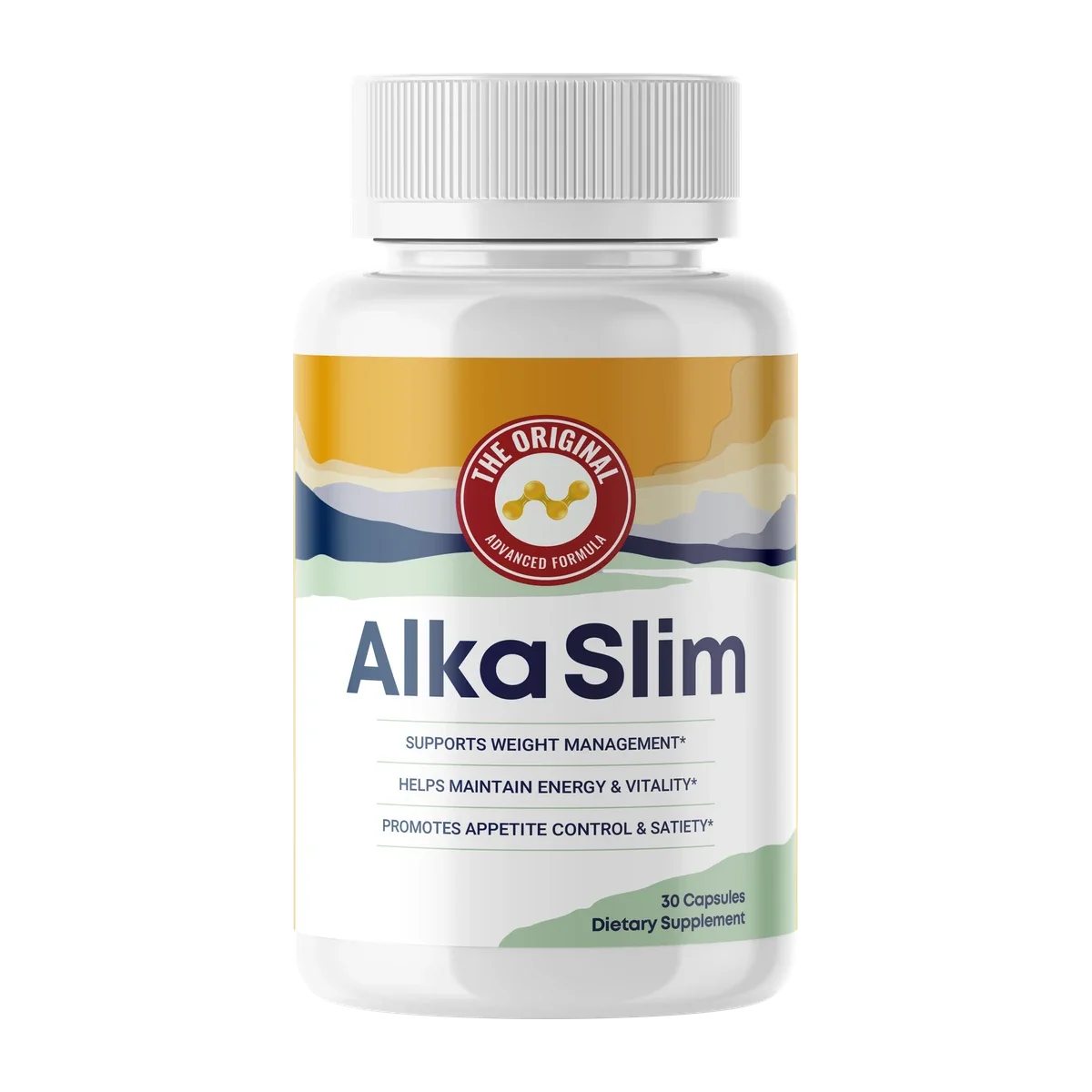
AlkaSlim is a once-daily fibre-led capsule built around exactly the mechanism described on this page. The idea is convenience and consistency: instead of measuring konjac powder into water and hoping you get the timing right, you take a measured dose designed to hydrate and expand in the stomach, feeding the same appetite-control machinery every day. It is not a stimulant, it is not a drug, and it will not reproduce an injectable's appetite suppression. What it offers is the sensible, evidence-based version of appetite support: a viscous fiber, taken consistently, that makes a calorie deficit easier to hold.
The catch is the same honest one every soluble fiber shares. Expect a little extra gas in the first week or two while your microbiome adjusts to the steady supply, drink your water, and judge the appetite effect over a fortnight of consistent use rather than a single hungry afternoon. Do that, and glucomannan is one of the few weight-management tools with both a real evidence base and almost no downside.
Related reading
Frequently asked questions
How does glucomannan suppress appetite?
Glucomannan is a highly viscous soluble fiber from the konjac root. When you drink it with water before a meal it absorbs many times its weight in fluid and swells into a soft gel in the stomach. That gel adds volume, slows how quickly the stomach empties, and prolongs the stretch on the gut wall that signals fullness to the brain, so the next meal feels satisfying on fewer calories.
How much glucomannan should I take before meals?
Most appetite research uses about one gram of glucomannan taken roughly fifteen to thirty minutes before each of the three main meals, with a full glass of water. Doses of up to around fifteen grams a day have been used in studies, but there is no need to chase the ceiling. Starting at the lower end and building up gradually gives your gut time to adjust and keeps early gas to a minimum.
Does glucomannan really cause weight loss?
On its own, modestly, and only alongside a reduced-calorie diet. In one five-week trial, people pairing glucomannan with a calorie-controlled plan lost about 3.8 kilograms versus 2.5 kilograms on placebo. That is a real but gentle edge, not a dramatic transformation. Glucomannan works by making a sensible diet easier to stick to, not by melting fat while you eat exactly as before.
Is glucomannan safe to take every day?
For most healthy adults, yes. Reviews consider up to about fifteen grams a day likely safe, and daily use is normal. The main caution is mechanical: always take it with plenty of water so it cannot swell before reaching the stomach, and separate it from medications by a few hours because the gel can slow their absorption. If you are pregnant, nursing, or on medication, check with a clinician first.
Scientific references
- PMC, National Library of Medicine — Effect of glucomannan on plasma lipid and body weight
- NIH Office of Dietary Supplements — Dietary supplement fact sheets
- WebMD — Glucomannan overview, uses and user ratings
- Harvard T.H. Chan School of Public Health — Fiber
- PubMed — The effects of gelled konjac glucomannan fibre on appetite and energy intake in healthy individuals: a randomised cross-over trial (British Journal of Nutrition, 2018)
Put the fiber to work, the sensible way
If a viscous, evidence-backed appetite fiber is what you want without the powder and the guesswork, AlkaSlim delivers glucomannan in a once-daily capsule with a 60-day money-back guarantee.
Check Availability at the Official Store