Weight Loss Capsules: How They Really Work
Quick Answer: How Do Weight Loss Capsules Work?
Weight loss capsules work through a handful of distinct mechanisms: soluble fibre that swells into a gel and blunts appetite, blockers that limit fat or carbohydrate absorption, and thermogenics that nudge calorie burn. The capsule format is irrelevant on its own; only a clinically meaningful dose of the right ingredient changes outcomes.
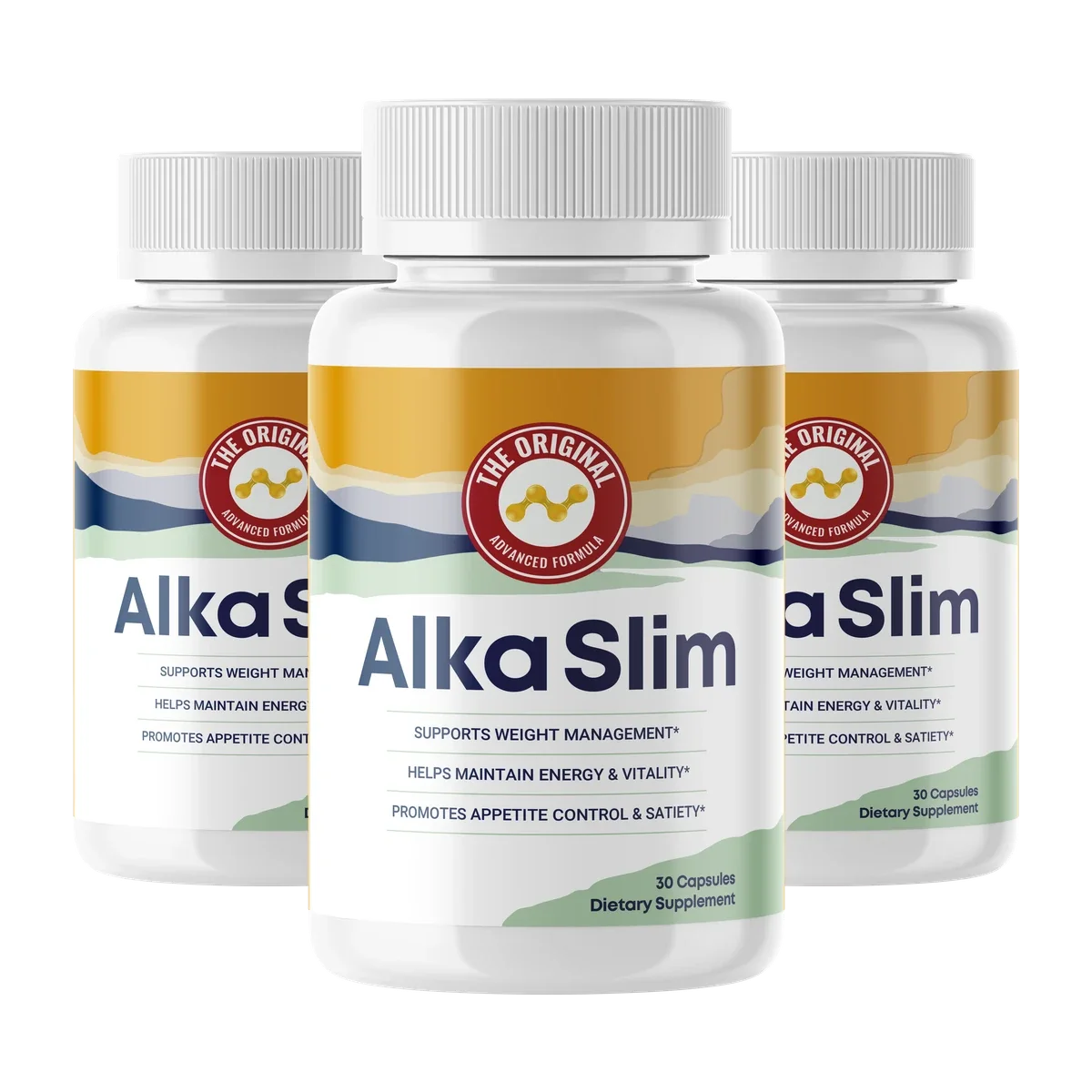
- Fibre-first capsules like AlkaSlim work on appetite and fullness, not on blocking or burning.
- Blockers only matter at proven doses, and both fat and carb versions carry digestive trade-offs.
- Proprietary blends hide the dose, so a label can look impressive while quietly under-delivering.
If you have ever stood in a supplement aisle or scrolled a store page, you already know the problem: dozens of weight loss capsules that look almost identical, each promising to melt fat, curb hunger or fire up your metabolism, and no obvious way to tell which claim is real. The truth is that the word “capsule” describes a delivery method, not a mechanism. A capsule is just a shell. What matters is what is inside it, how it behaves once it dissolves, and — the part most labels bury — how much of the active ingredient you actually get per serving.
This guide pulls the category apart into the mechanisms that genuinely do something, so you can read any label with clear eyes. We will cover the four main families — fibre and satiety, fat blockers, carbohydrate blockers, and thermogenics — explain what each one really does in the body, and show why AlkaSlim deliberately chose the fibre-first route. By the end you will be able to spot the difference between a formula built to work and one built to look good on a shelf.
How weight loss capsules actually work in the body
Every weight loss capsule has to influence one of three things to matter at all: the calories you take in, the calories you absorb, or the calories you burn. That is the entire playing field. Nothing a supplement does escapes that arithmetic, which is why understanding a capsule’s mechanism tells you far more than any marketing adjective. Fibre-based capsules act on the first lever, intake, by making you feel fuller sooner and longer. Blockers act on the second lever, absorption, by interfering with the enzymes or fats involved in digestion. Thermogenics act on the third lever, expenditure, by using stimulants to raise the rate at which your body spends energy.
None of these levers is magic, and none of them is equally powerful. Intake is the biggest and most controllable, which is why the appetite-focused approach tends to be the most sustainable for ordinary people. Absorption blockers work at the margins and come with digestive consequences that keep many users from staying consistent. Expenditure is the smallest lever of all, because the amount a capsule can safely raise your calorie burn is genuinely tiny. Keep that hierarchy in mind and the whole aisle reorganises itself into things that address the big lever and things that fiddle with the small ones.
Fibre and satiety: the glucomannan gel
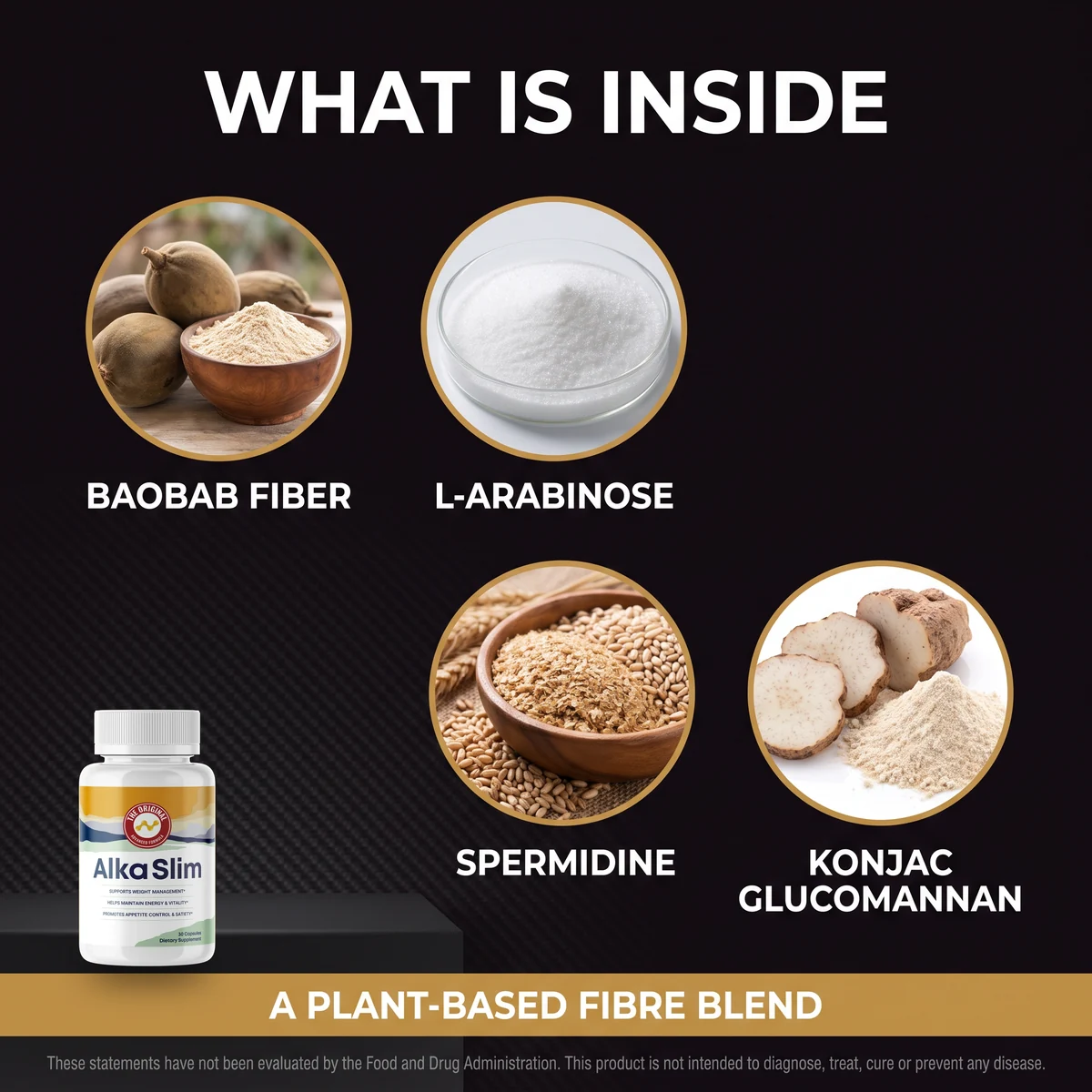
The most researched appetite mechanism in the capsule world is soluble fibre, and the star ingredient is glucomannan, a fibre drawn from the root of the konjac plant. What makes glucomannan distinctive is its extraordinary capacity to absorb water. Taken with a glass or two of water before a meal, it swells inside the stomach into a soft, viscous gel many times its dry volume. That gel does two useful things at once: it physically takes up space, so you feel full on less food, and it slows the rate at which the stomach empties, so that fullness lasts well past the meal itself. Most researched does not mean settled: a meta-analysis of eight randomised trials found no statistically significant weight difference between glucomannan and placebo, which is why the dose question in the next section decides so much.
This is not a stimulant effect and it is not a fat-burning effect. It is a mechanical and hormonal one — a slower, steadier release of food into the gut that also supports a gentler blood-sugar curve. Because appetite is the single hardest thing to control on any calorie deficit, a mechanism that quietly makes you want less food is doing the most valuable job a supplement can. This is exactly why AlkaSlim is built around a fibre-first design rather than chasing a thermogenic buzz. If you want the deeper physiology of how fullness signals are generated, our explainer on how dietary fibre interacts with GLP-1 and other satiety hormones walks through the gut signalling in detail.
Fat blockers and carb blockers: the absorption story
The second family works on absorption, and it splits into two types. Fat blockers, of which the best-known is orlistat, inhibit the lipase enzymes that break dietary fat into absorbable pieces. Block that step and a portion of the fat you eat passes through undigested rather than being stored. It is a real, measurable mechanism — but it comes with an equally real cost. Undigested fat has to go somewhere, and the classic side effects are urgent, oily and unpredictable bowel movements, especially after a fatty meal. Many people quietly abandon fat blockers not because they fail to work but because the trade-off is unpleasant enough to change behaviour, which is arguably part of how they nudge diet in the first place.
Carbohydrate blockers, often based on white kidney bean extract, take a similar approach on a different macronutrient. They interfere with alpha-amylase, the enzyme that breaks starch into sugar, so a fraction of the carbohydrate you eat is not fully digested. The evidence here is thinner and the effect smaller than fat blockers, and the same digestive theme applies: undigested carbohydrate reaching the large intestine tends to ferment, producing gas and bloating. Both blocker types share a lesson worth internalising — they only reduce absorption at the margins, and both charge a comfort tax to do it. Neither is a licence to eat more; they are, at best, a small hedge on a diet you are already trying to run.
Thermogenics: small, short-lived and stimulant-driven
The third family, thermogenics, is the one the marketing loves most and the evidence supports least. These capsules lean on stimulants — caffeine most commonly, sometimes green-tea catechins, occasionally more aggressive compounds — to raise energy expenditure and blunt appetite for a few hours. The effect is genuine but modest, and it fades. Within a couple of weeks your body adapts to the stimulant, tolerance builds, and the small metabolic lift shrinks further. Meanwhile the side effects — jitteriness, a raised heart rate, poor sleep — do not politely fade in the same way, and poor sleep quietly sabotages the appetite control your results actually depend on.
That is the honest shape of thermogenics: a small, temporary nudge to the smallest of the three levers, wrapped in the most exciting language. They are an accessory at best, and a poor one for anyone sensitive to stimulants. If your real goal is eating less without a caffeine spike and the crash that follows it, an appetite-led approach is a better fit, which is the whole argument behind our guide to natural appetite suppressants that work without stimulants.

Prefer the appetite lever over the stimulant lever?
AlkaSlim is a once-daily, fibre-first capsule with a 60-day money-back guarantee — long enough to test the appetite mechanism honestly, without a thermogenic buzz or a crash.
See the AlkaSlim OfferWhy capsule dosage matters more than the ingredient list
Here is the single most important thing this article can teach you, and it is the thing labels are designed to obscure. An ingredient only works at the dose the research used. Glucomannan, for example, has evidence behind it at roughly three grams per day, split before meals and taken with enough water to let it form its gel. A capsule that lists glucommanan but delivers a few hundred milligrams is technically honest and functionally useless — it names the right ingredient at the wrong dose. The name on the label is not the mechanism; the milligrams are.
This is where proprietary blends do their quiet damage. A “proprietary blend” lets a manufacturer list several impressive-sounding ingredients under one combined weight without disclosing how much of each is inside. The result is a label that reads like a powerhouse and a capsule that may contain a meaningful dose of the cheapest filler and a fairy dusting of everything you actually came for. Whenever you evaluate weight loss capsules, look past the ingredient list to the amount per serving. If the dose is hidden inside a blend, treat the claim as unproven until shown otherwise. A formula confident in its dose tends to state it plainly — and that transparency is itself a signal worth weighing.
| Capsule type | Lever it pulls | Honest expectation |
|---|---|---|
| Fibre / satiety (glucomannan) | Intake — appetite & fullness | The biggest, most sustainable lever at a real dose |
| Fat blocker (orlistat) | Absorption of dietary fat | Works at the margins; oily digestive side effects |
| Carb blocker (white kidney bean) | Absorption of starch | Small, thinner evidence; gas and bloating |
| Thermogenic (caffeine) | Expenditure — calorie burn | Small, short-lived; tolerance and sleep costs |
Do weight loss capsules work without exercise?
This is the question everyone actually wants answered, and the fair reply is: some can help a little, but none rewrite the arithmetic. A capsule that supports fullness can nudge your intake down even if you never set foot in a gym, and that alone can tilt the calorie balance in your favour over weeks. Blockers can shave a modest number of absorbed calories. But no capsule outruns a consistent calorie surplus, and every mechanism in this article gets larger and more durable when it sits beside sensible food choices and daily movement rather than in place of them.
The realistic framing is that of a helper, not a substitute. If a product implies you can carry on exactly as before and still watch fat fall away, it is selling the fantasy the whole category runs on. The people who get the most from weight loss capsules are the ones who use them to make an already-sensible plan easier to stick to — using fibre to tame the hunger that derails diets, for instance. For a broader, honest comparison of which formulas earn their place, our roundup of the best weight loss pills of 2026, compared ranks the categories on evidence rather than hype.
How AlkaSlim fits — a fibre-first design
Put the four families side by side and a pattern emerges. The stimulant lever is small and fades; the absorption levers are marginal and uncomfortable; the appetite lever is the largest, the best tolerated and the most sustainable for ordinary people over months rather than days. AlkaSlim is built deliberately around that appetite lever. It is a once-daily, fibre-led capsule designed to support fullness and make a calorie deficit easier to hold, not to torch fat while you sleep or spike your heart rate through the afternoon. That is a narrower promise than most of the aisle makes — and a narrower promise is usually a more honest one.
Choosing a mechanism you understand is the whole point of reading a guide like this. If the fibre-first approach matches what you are actually looking for — less hunger, fewer crashes, a formula that stays in its lane — AlkaSlim is worth a fair trial inside its 60-day guarantee. If you would rather see how it holds up under scrutiny before deciding, our honest breakdown of AlkaSlim reviews and what the formula can and cannot do is the natural next stop. Either way, you now know the one question that cuts through every capsule claim: not “what is in it,” but “how much, and which lever does it pull.”
Related reading
Frequently asked questions
How do weight loss capsules actually work in the body?
It depends entirely on the ingredient. Fibre capsules absorb water and swell into a gel that slows digestion and blunts appetite. Fat blockers bind dietary fat so some passes through undigested. Carb blockers interfere with starch-digesting enzymes. Thermogenics use stimulants to raise energy expenditure slightly. No single mechanism covers them all, so the category name tells you almost nothing on its own.
What is the difference between fiber, fat-blocker, and thermogenic capsules?
Fibre capsules work on appetite and fullness by forming a gel in the stomach. Fat-blocker capsules like orlistat reduce how much dietary fat you absorb, with digestive side effects. Thermogenic capsules use caffeine and similar stimulants to raise calorie burn a little. They act on completely different systems — intake, absorption and expenditure — which is why they suit different goals and different people.
Do weight loss capsules work without exercise?
Some can help modestly, but none replace a calorie deficit. Fibre-led capsules make eating less easier by supporting fullness, which can nudge intake down even without training. Fat and carb blockers reduce absorbed calories at the margins. But no capsule outruns a surplus of calories, and results are always larger and more durable when the capsule sits alongside sensible food choices and daily movement.
Why does capsule dosage matter more than the ingredient list?
Because an ingredient only works at the dose the research used. Glucomannan needs roughly three grams a day, taken before meals with water, to affect appetite. A proprietary blend can list an impressive ingredient while hiding how little is actually inside, so the label reads well but the capsule under-delivers. Always check the amount per serving, not just whether a name appears.
Scientific references
- NIH Office of Dietary Supplements — Dietary supplements for weight loss
- NIDDK, National Institutes of Health — how weight-management medications and blockers act
- MedlinePlus (US National Library of Medicine) — Dietary fibre and soluble fibre
- PubMed — The efficacy of glucomannan supplementation in overweight and obesity: a systematic review and meta-analysis of randomized clinical trials (J Am Coll Nutr, 2014)
Try the fibre-first capsule — on the right timeline
A once-daily, fibre-led formula with a 60-day money-back guarantee. Choose the mechanism you understand, then give it a fair test.
Get the AlkaSlim Offer