Over-the-Counter Weight Loss Pills Guide: What Works, What to Avoid, and How to Read the Label
Quick Answer: Do Over-the-Counter Weight Loss Pills Work?
Some over-the-counter weight loss pills work within honest limits. Most results come from appetite suppression, not fat-melting metabolism, and add up to a few pounds over weeks. Soluble fiber and berberine have the best evidence; stimulant-heavy and proprietary-blend products are the ones to avoid. Transparent, no-script labels are safest for daily use.
- Appetite is the lever. Most OTC benefit comes from feeling full sooner, not burning fat directly.
- Fiber and berberine lead on evidence. Glucomannan is the standout for controlling appetite.
- Avoid stimulant megadoses and mystery blends. If the label hides the doses, walk away.
Walk into any pharmacy or open any shopping app and the choice of over-the-counter weight loss pills is overwhelming, which is exactly the problem. The aisle is engineered to look like abundance, but most of it is noise: the same handful of ingredients repackaged under dramatic names, padded out with stimulants and hidden behind “proprietary blends” that tell you nothing. This guide cuts through that. It explains what over-the-counter weight loss pills can realistically do, which ingredients earn their place, and how to read a label so you never overpay for a mystery again.
The honest headline is that over-the-counter pills are a modest tool, not a magic switch. Their value is real but bounded, and knowing where that boundary sits is what protects your money and your expectations. We will keep the numbers in plain units, name the traps that catch most shoppers, and show you the two or three things on a label that separate a credible product from an expensive placebo. By the end you will be able to shop the whole category on your own, which is a far more useful outcome than a ranked list you have to take on faith.
How over-the-counter weight loss pills actually work
Almost every over-the-counter weight loss pill that does anything at all works through one main lever: appetite. It helps you feel full sooner and stay full longer, so you eat less without a constant battle of willpower. That is the mechanism behind the fiber-based products, and it is the honest core of the category. The marketing language of “torching fat” and “boosting metabolism” implies your body is being chemically rewired; the reality is usually the quieter, more durable story of a smaller appetite making a calorie deficit easier to sustain.
A second, smaller lever is thermogenesis — the slight bump in energy expenditure from stimulants such as caffeine and green tea. It exists, but it is minor, it fades as tolerance builds, and it comes with costs to sleep and heart rate that often outweigh the tiny benefit. Understanding this split matters because it reframes the whole shopping decision: if appetite is the lever that actually moves the needle, then the pills built to control appetite deserve your attention, and the ones built to jolt your metabolism deserve your skepticism. For the wider evidence-ranked picture of the category, our guide to the best weight loss pills of 2026, ranked by evidence is the companion piece to this one.
The over-the-counter ingredients with real evidence
Two ingredients rise above the crowd, and neither is exotic. The first is soluble fiber, specifically glucomannan, a viscous fiber from the konjac root. When taken with water before meals, it absorbs liquid and forms a gel in the stomach that slows how quickly the stomach empties and prolongs the sensation of fullness. The evidence behind it is strong enough that European regulators permitted a weight-loss health claim for it in the context of a calorie-controlled diet — a bar no stimulant fat-burner has cleared. If you want one word for the best appetite-control ingredient on the OTC shelf, it is fiber. Be careful how much weight you put on it, though: pooling eight randomised trials, a meta-analysis in the Journal of the American College of Nutrition found no statistically significant weight difference between glucomannan and placebo.
The second is berberine, a plant compound that works on the metabolic side of a meal by helping blunt the after-eating blood-sugar rise. Its weight effect is modest and slow — a few pounds over one to three months in the research — but it is real, and it complements fiber nicely because the two act on different parts of the same problem. Berberine has been oversold as “nature’s Ozempic,” a comparison it cannot live up to; we sort the evidence from the hype in our natural appetite work, and our practical natural appetite suppressant guide shows how these ingredients fit into a day of eating rather than a marketing slogan. A meta-analysis of twelve randomised trials put the average effect at about 2 kg of body weight and 1 cm of waist circumference.
Want the evidence-backed ingredients without the mystery?
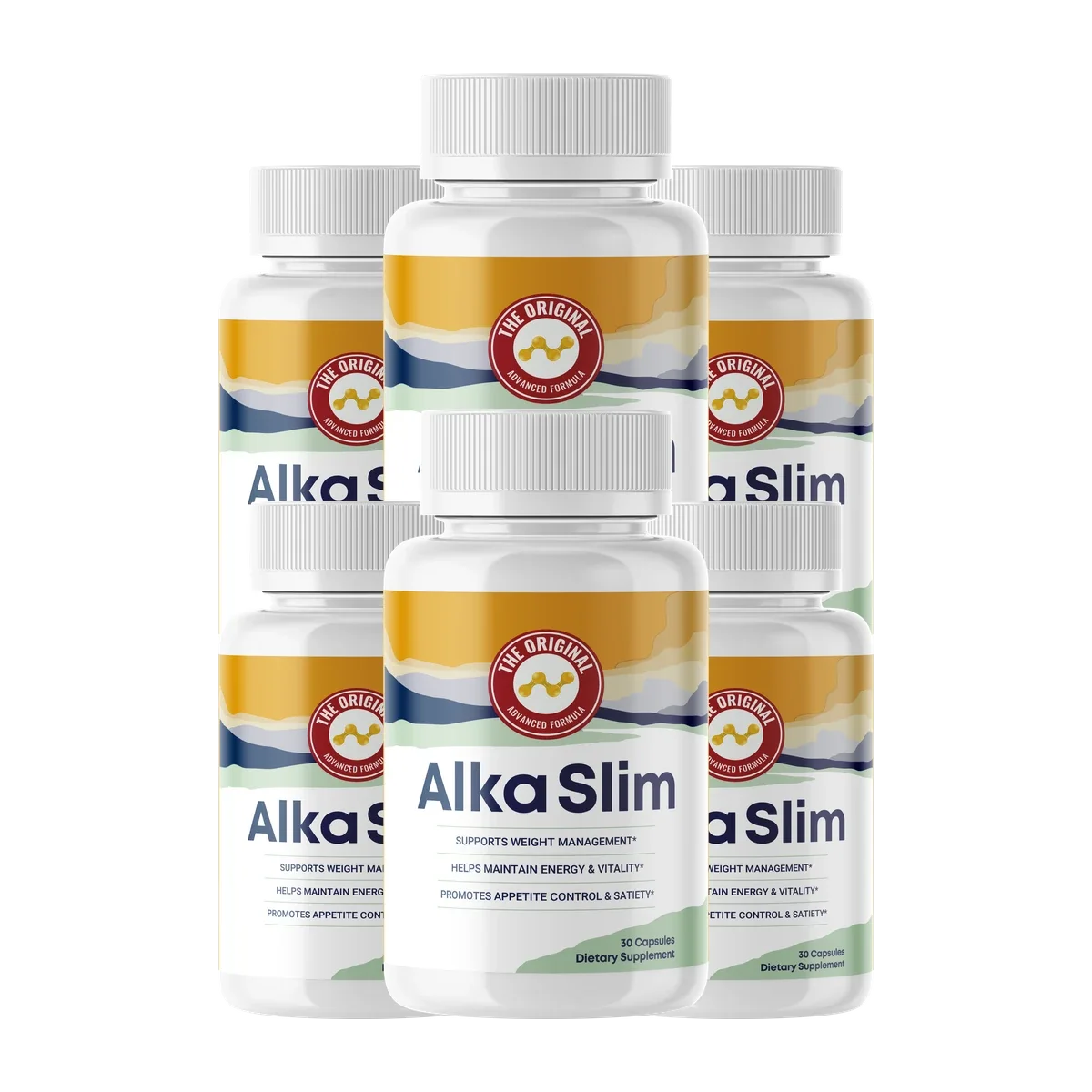
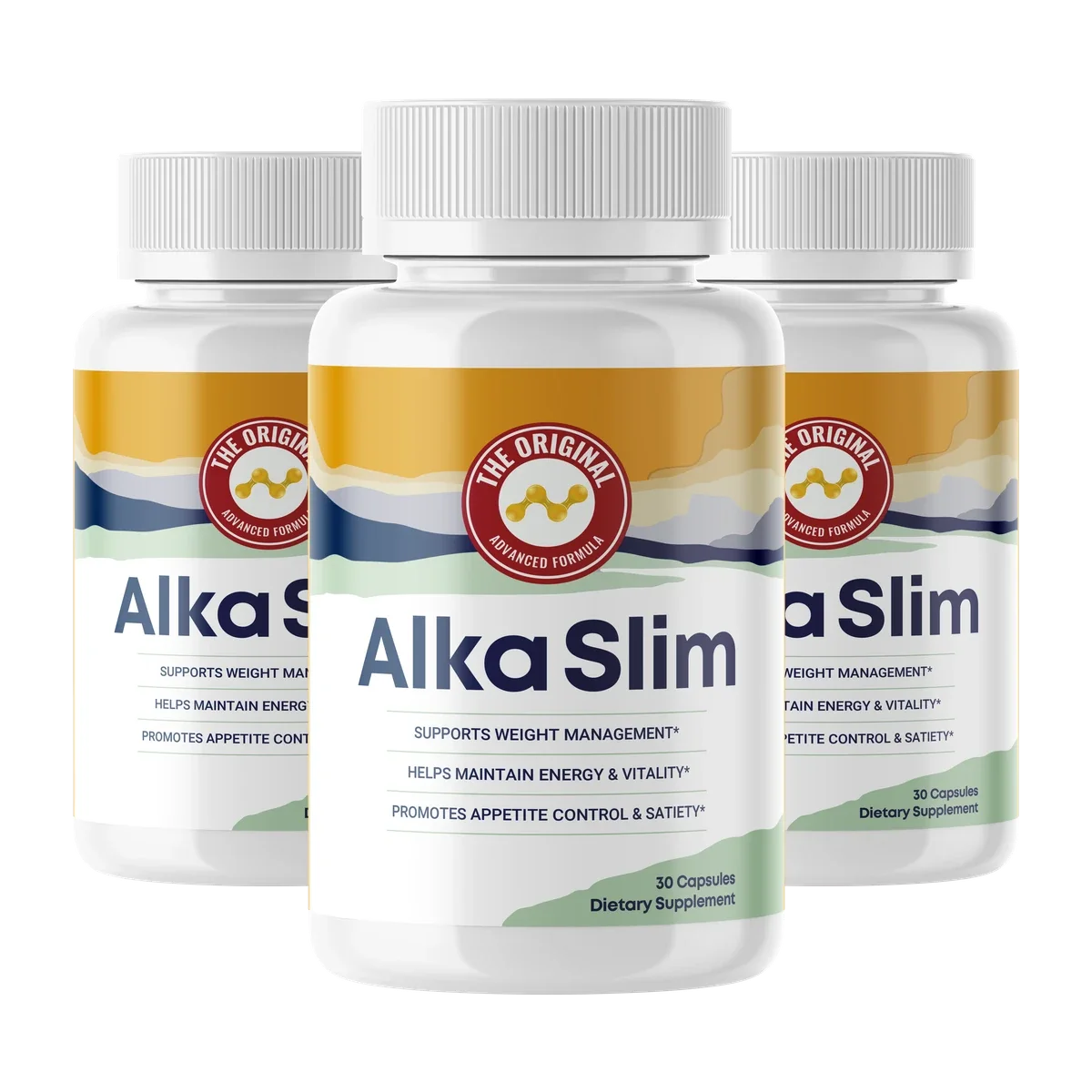
If soluble fiber is the OTC appetite ingredient with the best evidence, a transparent fiber-led formula is the sensible buy. AlkaSlim is a once-daily capsule with disclosed ingredients and a 60-day money-back guarantee — no script, no stimulant fireworks.
See the Official StoreWhat to avoid: stimulant-heavy pills and proprietary blends
Now the traps, because avoiding the bad products matters more than chasing the perfect one. The first trap is the stimulant-heavy pill. A megadose of caffeine and assorted “energy” botanicals will make you feel like something is happening — a racing heart and suppressed appetite for a few hours — but that sensation is not the same as fat loss, the effect fades with tolerance, and the cost is jitters, poor sleep and elevated heart rate. Feeling wired is a poor proxy for progress, and products that sell the feeling are usually selling little else.
The second trap, and the more insidious one, is the proprietary blend. If the supplement facts panel lists a single total weight — say “Thermo Matrix 1,350 mg” — followed by a string of ingredients with no individual amounts, put it back. The blend format is legal, but it exists to hide how little of the expensive, evidence-backed ingredient is present and how much cheap filler makes up the bulk. A product can legally “contain glucomannan” while including a fraction of the researched dose, and the blend label lets it stay silent about that. A hidden dose is, for practical purposes, an unknown product.
How to read an over-the-counter weight loss pill label
A good label survives four quick questions, and you can run all of them standing in the aisle. First, are the ingredients named individually with their milligrams disclosed, or hidden in a blend? Transparency is non-negotiable; without it, nothing else can be judged. Second, do those doses match what the research actually used? A named ingredient at a token dose is marketing, not medicine — glucomannan, for instance, needs to be present in gram-scale amounts taken before meals to do its job.
Third, what is the mechanism, and does it match your goal? If you struggle with appetite and portion control, a fiber-led formula targets your actual problem; if a product is mostly stimulants, ask whether you want that trade at all. Fourth, is it a no-script, daily-use formula you can sustain, and does the seller stand behind it with a real guarantee? Sustainability and a money-back policy are quiet signals that a company expects you to keep buying because it works, not because you were locked in. Run those four checks and most of the aisle eliminates itself.
Over-the-counter versus prescription: which is right for you
A fair guide has to address the elephant in the room: prescription options are more powerful. GLP-1 medicines can deliver far larger results than any OTC pill, and it would be dishonest to pretend otherwise. But power is only one axis. Prescription routes require a prescriber, cost far more, carry their own gastrointestinal side effects, and can be a maze of appointments and insurance. Over-the-counter pills win on access, cost and simplicity: you can start today, spend a fraction as much, and tolerate them more easily.
That is why so many people begin with the OTC route and only consider a prescription if a modest, accessible approach is not enough. It is a rational sequence, not a compromise. If you want the full comparison of the medical options before deciding, our companion piece on prescription weight loss pills explained lays out the trade-offs in the same plain-numbers way. The right answer depends on your goals, budget and how much medical supervision you want — and for a great many shoppers, a transparent OTC fiber pill is the sensible first move.
Where AlkaSlim’s fiber blend fits
Everything this guide rewards points in the same direction. AlkaSlim is a once-daily, fibre-led capsule built around the viscous-fiber mechanism that has the best evidence for controlling appetite, rather than a stack of stimulants for a cheap buzz. It is a no-script product designed for daily use — which is precisely the profile the four label questions above steer you toward. It will not out-muscle a prescription, and this page has said so plainly, but as an accessible starting point it checks the boxes that matter.
Just as important is what it does not do. There is no stimulant megadose masquerading as progress and no overnight-miracle promise the evidence cannot support. It does not pass the label test this page sets, though, and we will not pretend otherwise: AlkaSlim names its four actives — konjac glucomannan, baobab fiber, L-arabinose and spermidine — and publishes no amount for any of them. What you get is the honest core of the category — appetite support to make a calorie deficit easier to hold — backed by a 60-day money-back guarantee that lets you judge it on your own terms rather than the label’s. In a shelf full of noise, boring and transparent is a feature, not a flaw.
| Type | How it works | Evidence | Verdict |
|---|---|---|---|
| Soluble fiber (glucomannan) | Gel forms in stomach; prolongs fullness | Best of the OTC options; EU claim allowed | Buy — the appetite-control standout |
| Berberine | Blunts after-meal blood sugar | Modest, real; ~few lb over 1–3 months | Reasonable, especially paired with fiber |
| Stimulant fat-burners | Small thermogenic bump | Small, fades with tolerance | Caution — jitters, sleep, heart-rate cost |
| Proprietary blends | Undisclosed by design | Unknowable | Avoid — hidden doses |
Related reading
Frequently asked questions
Do over-the-counter weight loss pills actually work?
Some do, within honest limits. Most over-the-counter results come from appetite suppression rather than fat-melting metabolism, and the effect is measured in a few pounds over weeks, not a dramatic transformation. Ingredients such as soluble fiber and berberine have the most consistent evidence, while many products lean on stimulants or mystery blends that promise more than they deliver. Expect a helpful nudge alongside diet changes, not a substitute for them.
What should I look for in an OTC weight loss pill?
Read the label like a skeptic. Look for named ingredients at disclosed, clinically studied doses rather than a proprietary blend that hides the amounts, favor transparent no-script formulas over stimulant-heavy ones, and check that the dose in the bottle actually matches the dose used in research. A short, fully disclosed ingredient list is almost always a better sign than a long, secretive one.
Are OTC weight loss pills safe?
For most healthy adults, transparent-label options built on fiber are generally well tolerated, with early gas or bloating being the most common complaint. The bigger safety concern is stimulant-heavy products, which can raise heart rate and disturb sleep. As with anything, check with a provider first if you take medication, are pregnant or nursing, or manage a health condition, since supplements are not reviewed by the FDA before sale.
Which OTC ingredient controls appetite best?
For appetite control specifically, soluble fiber is the standout. Glucomannan, a viscous fiber from konjac root, absorbs water to form a gel that slows stomach emptying and prolongs fullness, which is why it carries the best evidence of the common OTC appetite ingredients. Berberine can support appetite and blood-sugar control too, but for pure fullness, viscous fiber is the one to look for.
Scientific references
- NCCIH, National Institutes of Health — Dietary Supplements for Weight Loss
- NIH Office of Dietary Supplements — Dietary Supplements for Weight Loss
- EFSA Journal — Scientific Opinion on glucomannan and reduction in body weight
- U.S. Food and Drug Administration — Dietary Supplements overview
- Federal Trade Commission — Dietary Supplements Advertising Guide
- PubMed — The efficacy of glucomannan supplementation in overweight and obesity: a systematic review and meta-analysis of randomized clinical trials (J Am Coll Nutr, 2014)
Shop the aisle smarter, or skip it entirely
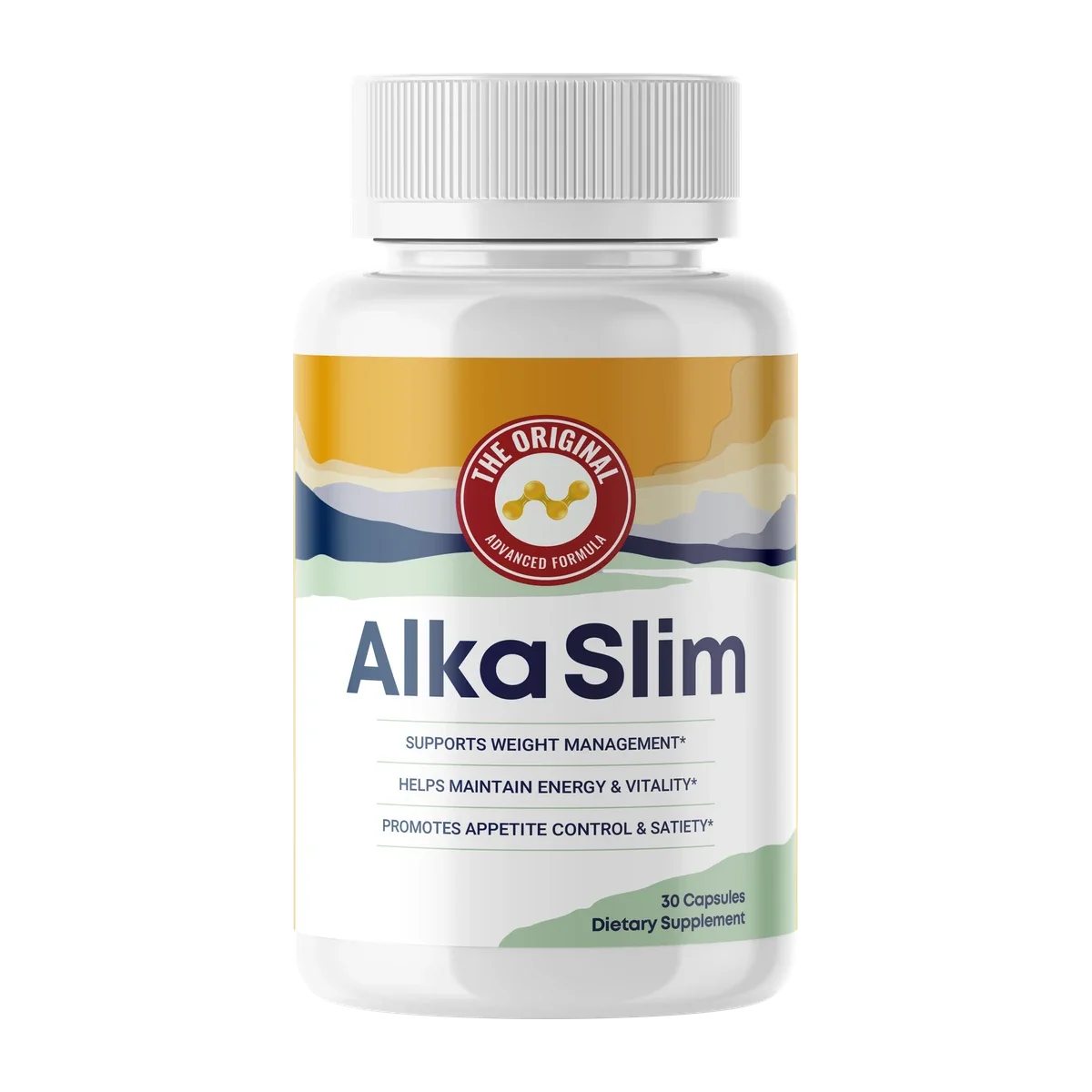
If you want the OTC ingredient with the best appetite evidence, at a disclosed dose, without the stimulant baggage, AlkaSlim is a once-daily fibre-led capsule with a 60-day money-back guarantee.
Check Availability at the Official Store