Best Weight Loss Pills 2026: Honest Rankings, Ranked by Evidence
Quick Answer: What Are the Best Weight Loss Pills in 2026?
The best weight loss pills in 2026 are the ones with real evidence and honest labels. Orlistat (Alli) is the only FDA-approved over-the-counter option. Among supplements, viscous fiber such as glucomannan has the steadiest data. Prescription GLP-1 drugs work best but are injections, not pills, and need a doctor.
- Only orlistat is FDA-approved OTC. Every supplement pill is legally unapproved until proven otherwise.
- Glucomannan has the best supplement evidence. Roughly 1–4 lb over placebo across 5–8 weeks.
- Avoid proprietary blends. If the label hides per-ingredient doses, you cannot judge the pill.
Search “best weight loss pills” in 2026 and you get a wall of confident lists, most of them written to sell whatever the site earns the most on. This one is different in a boring but useful way: it ranks by evidence and honesty, it names the single option the FDA has actually approved, and it tells you plainly where the popular supplements fall short. If you only remember one thing, remember that “popular” and “proven” are not the same word, and the gap between them is where most money gets wasted.
The weight-loss aisle is crowded because the demand is enormous and the barrier to entry is low. Anyone can put a capsule on a shelf and call it a fat burner. What almost nobody can do is show a controlled trial where their exact formula, at the dose in the bottle, beat a placebo by a meaningful margin. That scarcity of real proof is the backdrop for everything below, and it is the reason our top pick is not a stimulant, a cleanse, or a “miracle molecule” but a fiber and a clear-eyed sense of what a pill can and cannot do.
How we ranked the best weight loss pills for 2026
Three filters decided the order. First, regulatory status: is this an FDA-approved drug, or an unapproved supplement that reached the shelf without any pre-market review? That distinction alone reshuffles most “top ten” lists you will find elsewhere. Second, evidence quality: are there human trials, at the dose actually sold, with a placebo group and a result you could feel? Third, label honesty: does the product disclose every ingredient and its milligrams, or does it hide behind a “proprietary blend” that could be almost anything? A product can have a plausible mechanism and still fail the third test, and if it fails the third test you genuinely cannot know what you are buying.
This list is deliberately general; if hormonal change, muscle preservation and stimulant tolerance are the deciding factors for you, read the companion ranking of the best weight loss pills for women instead. We deliberately kept effect sizes in plain units — pounds and weeks — instead of dramatic percentages, because a supplement that beats placebo by “a statistically significant margin” can still mean two pounds over two months. That is a real effect and worth having, but it is not the transformation the ads imply, and pretending otherwise is how these lists lose your trust. Honesty about magnitude is the whole point.
The only FDA-approved OTC pill: orlistat (Alli)
If “approved” matters to you, the list is short: orlistat, sold over the counter as Alli, is the only weight-loss pill the FDA has cleared for non-prescription sale. It works mechanically rather than metabolically, blocking the enzyme that breaks down dietary fat so that roughly a quarter of the fat you eat passes through undigested. Because it is an approved drug, it went through pre-market review that no supplement on this page has faced, and that is a genuine mark in its favor.
The honest catch is in the side effects, which are the direct consequence of the mechanism. Unabsorbed fat has to go somewhere, so higher-fat meals can produce urgent, oily, unpleasant bowel movements — the product’s own guidance essentially trains you toward a lower-fat diet to avoid them, which is arguably where much of the benefit comes from. Prescription GLP-1 medications such as semaglutide are dramatically more effective, but they are injections, not pills, and they belong in a doctor’s office, not a “best pills” roundup. For an over-the-counter tablet with a real regulatory stamp, orlistat stands alone, with all the caveats that mechanism implies.
Prefer the gentle fiber route over blocking fat?
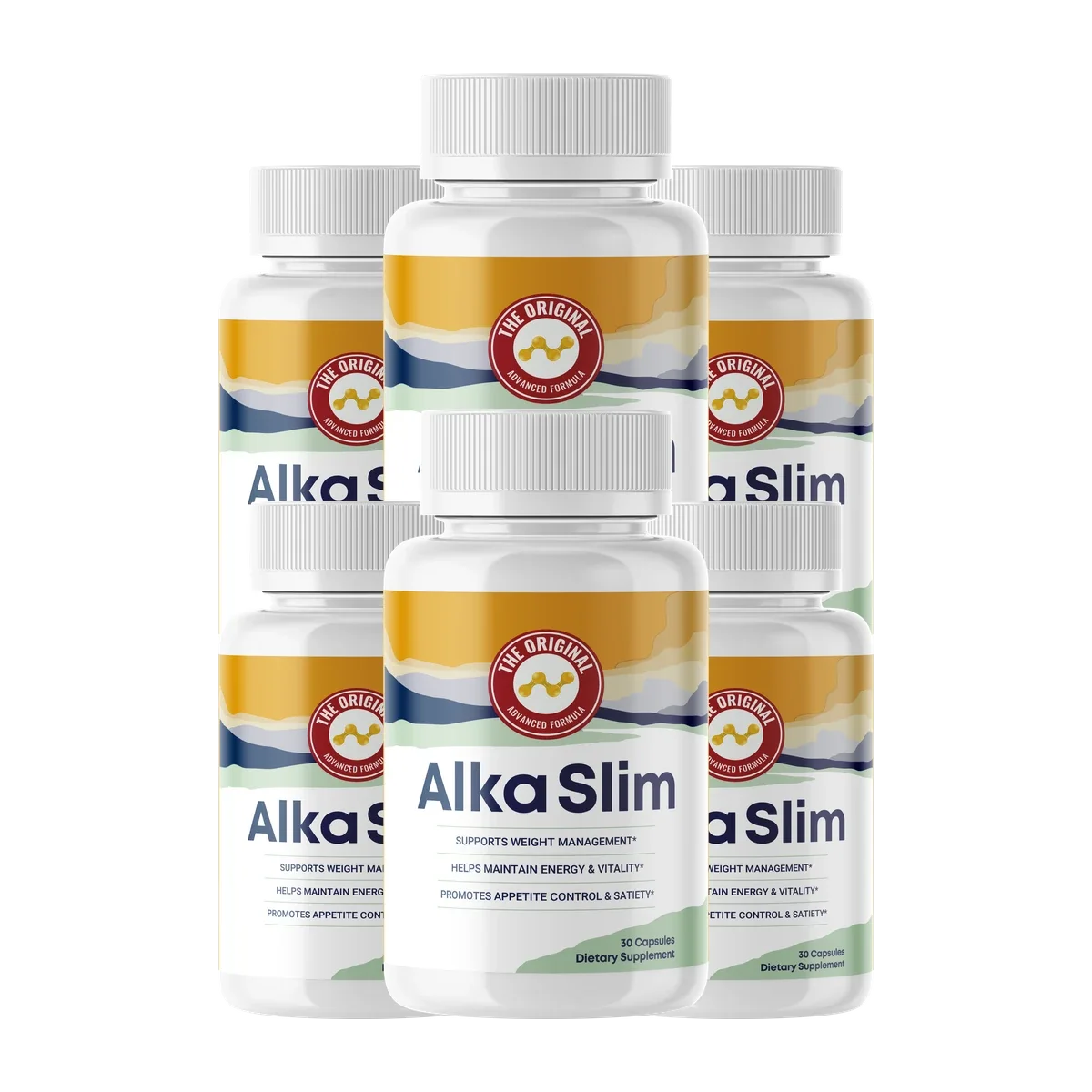
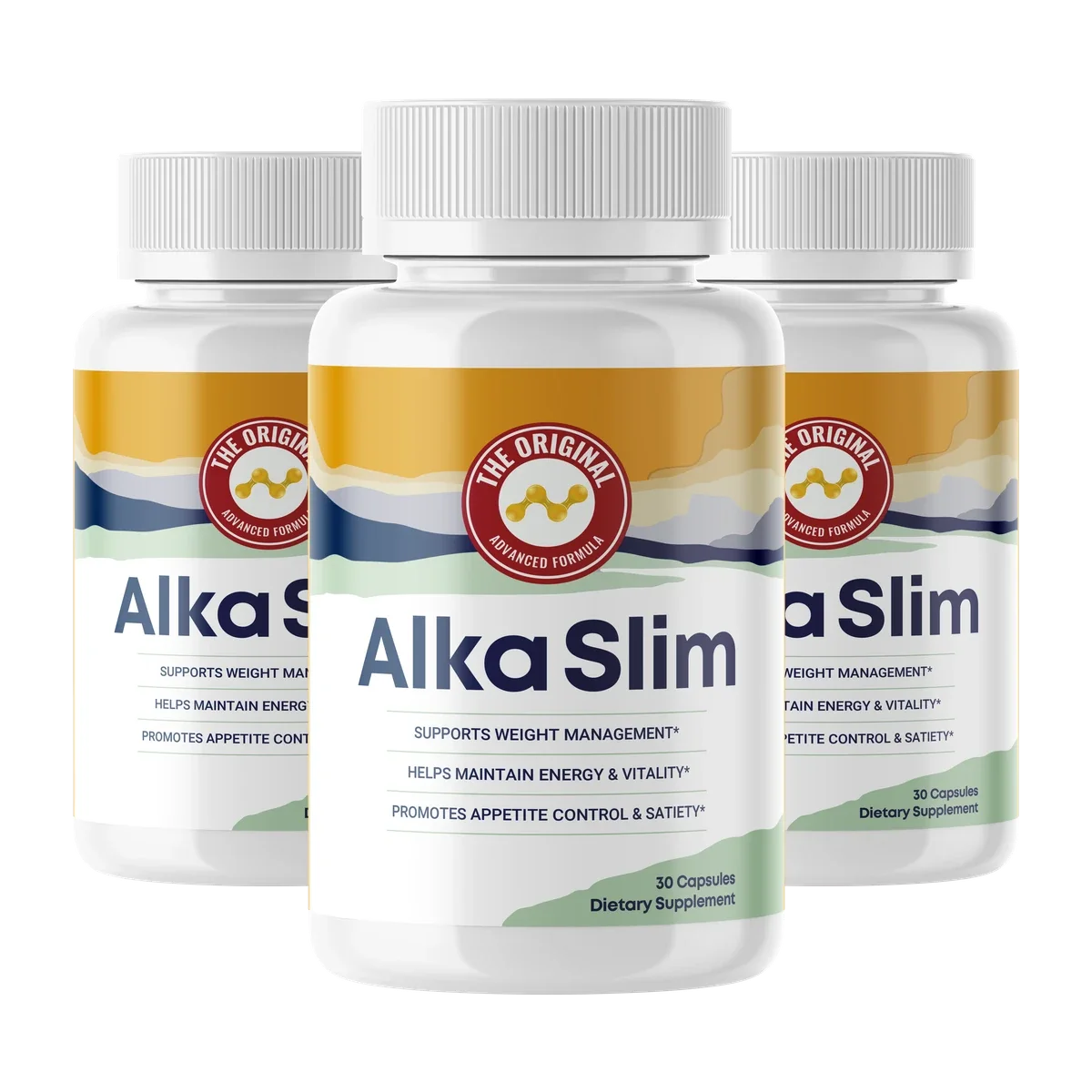
If oily side effects are a dealbreaker, a viscous-fiber capsule works with your appetite instead of against your bathroom. AlkaSlim is a once-daily fibre-led formula with a 60-day money-back guarantee.
See the Official StoreWhere glucomannan fiber earns its ranking
Among supplements — the products that reach shelves with no FDA approval — the ingredient with the steadiest evidence is not exotic at all. It is glucomannan, a viscous soluble fiber from the konjac root. In the European Union, an official health-claim panel concluded the evidence was strong enough to permit the statement that glucomannan “contributes to weight loss” in the context of a calorie-controlled diet, at a dose of at least one gram taken three times a day with water before meals. That is a higher bar than any “fat burner” on the shelf has cleared, and it is why fiber, not caffeine, anchors our supplement ranking.
Set your expectations with the numbers, though. In the trials that support it, glucomannan tends to produce something on the order of one to four pounds more loss than placebo across roughly five to eight weeks. That is a modest, honest edge, and it depends entirely on the fiber being viscous enough and taken before meals with enough water to form its gel in the stomach. The mechanism is simple and well understood: the gel slows gastric emptying and prolongs the sense of fullness, which quietly makes a calorie deficit easier to hold. We break down that satiety pathway in detail in our explainer on how fiber influences GLP-1 and PYY satiety hormones, and it is the same mechanism AlkaSlim is built around. And set them lower again when the trials are pooled: a meta-analysis of eight randomised trials found no statistically significant weight difference between glucomannan and placebo, so the honest ranking rests on the mechanism and the tolerability rather than on a settled effect size.
Where berberine, green tea and caffeine actually land
The viral supplements deserve a fair hearing and an honest verdict. Berberine, marketed everywhere in 2026 as “nature’s Ozempic,” does have human data showing a couple of percent of body weight lost over about twelve weeks — real, but a fraction of what the actual GLP-1 drugs deliver, and nowhere near the nickname. We unpack that specific comparison in our look at whether berberine truly is nature’s Ozempic. Green tea catechins and caffeine can nudge energy expenditure and fat oxidation slightly, but the effect is small, it fades as tolerance builds, and megadosed stimulant blends trade that tiny edge for jitters, poor sleep and raised heart rate. The pooled figure is about 2 kg in one meta-analysis of twelve trials covering body weight, BMI and waist circumference, and a second meta-analysis found no significant body-weight change at all.
None of these are scams outright; the problem is proportion. Each gets sold as a headline act when the evidence supports, at most, a supporting role. Ranked honestly, stimulants and trendy botanicals sit below fiber precisely because their effects are smaller, shorter-lived, or worse-tolerated. If you want the wider picture on so-called fat burners and thermogenics, our review of what the evidence actually says about metabolism boosters covers the category without the hype.
The proprietary-blend trap
Here is the single most useful label-reading skill you can develop, and it eliminates a huge share of bad products instantly. If the supplement facts panel lists a “proprietary blend” with one total weight — say “Metabolic Matrix 1,200 mg” — followed by a list of ingredients with no individual amounts, walk away. The blend format is legal, but it exists to hide how little of the expensive, evidence-backed ingredient is present and how much cheap filler makes up the bulk. A formula could technically “contain glucomannan” while including a tenth of the dose the research used, and the blend label lets it stay silent about that.
The fix is to demand transparency. A trustworthy label names each ingredient and its exact milligrams, so you can check those numbers against the doses used in trials. Anything that dodges that check is asking you to buy on faith. This is why our rankings weight label honesty as heavily as the mechanism itself: a proven ingredient at an unknown dose is, for practical purposes, an unknown product.
| Option | Regulatory status | Realistic effect | Main caveat |
|---|---|---|---|
| Orlistat (Alli) | FDA-approved OTC drug | Modest, diet-dependent | Oily, urgent stools on fatty meals |
| Glucomannan fiber | Supplement (EU claim allowed) | ~1–4 lb over placebo, 5–8 wks | Needs water before meals; early gas |
| Berberine | Supplement, unapproved | ~2–4% over ~12 weeks | Oversold as “nature’s Ozempic” |
| Green tea / caffeine | Supplement, unapproved | Small, fades with tolerance | Jitters, sleep and heart-rate cost |
| Proprietary blends | Supplement, unapproved | Unknowable by design | Doses hidden; do not buy |
Two objections worth answering honestly
The first objection is the natural one: “If supplements are not FDA-approved, are they all worthless?” No — but the absence of approval shifts the responsibility onto you. Not approved does not mean not effective; it means nobody vetted it before it was sold, so you have to do the vetting by reading the label, checking doses against research, and choosing a transparent manufacturer. Glucomannan is a good example of a supplement ingredient with genuinely respectable evidence despite the category having no pre-market gatekeeper.
The second objection is the one the whole industry hopes you never ask: “Will any of these work if I do not change how I eat?” Honestly, no. Every option on this page — the approved drug included — was studied alongside a calorie-controlled diet, and each one works by making that deficit slightly easier to sustain rather than by erasing it. A fiber that curbs your appetite still needs you to eat less; a fat-blocker still assumes a reasonable diet. The right mental model for the best weight loss pills is a helpful tailwind, not a substitute for the walk.
Where AlkaSlim fits in the 2026 rankings
AlkaSlim is a once-daily fibre-led capsule, and it earns its place here for exactly the reasons this article rewards: it leans on the viscous-fiber mechanism with the best supplement evidence, and it is honest about being a diet aid rather than a magic bullet. It will not out-muscle a prescription GLP-1 drug, and this page would be lying if it said otherwise. What it offers is a convenient, consistent way to feed the same satiety machinery a fiber-rich diet would, backed by a 60-day money-back guarantee that lets you test it on your own terms. If you want an unfiltered look before deciding, read our honest breakdown of AlkaSlim reviews, then judge for yourself.
Related reading
Frequently asked questions
Which weight loss pill is most effective in 2026?
For over-the-counter options, orlistat sold as Alli is the only pill the FDA has approved for weight loss, and it blocks about a quarter of the fat you eat from being absorbed. Prescription GLP-1 injections are far more powerful, but they are not pills and require a doctor. Among supplements, viscous fibers such as glucomannan have the most consistent, if modest, evidence behind them.
Are supplement weight loss pills regulated by the FDA?
Not before sale. Dietary supplements do not need FDA approval to reach shelves; the agency only acts after a product is marketed, and only if it proves unsafe or misbranded. That is different from orlistat, which is an approved over-the-counter drug. It means the burden is on you to check the label, the dose and the manufacturer rather than assuming a government sign-off exists.
What should I look for on a weight loss pill label?
Look for named ingredients at disclosed, clinically studied doses rather than a proprietary blend that hides how much of each you actually get. Check the serving size and timing, look for third-party testing or a reputable manufacturing facility, and be wary of stimulant megadoses. A short list of honest, fully dosed ingredients beats a long mystery blend every time.
Can weight loss pills work without dieting?
Realistically, no pill overrides a calorie surplus. Orlistat, fiber and stimulants all produce their best results alongside a modest calorie deficit, and the trial data that support them were gathered with diet changes in place. The honest framing is that a good pill makes a sensible diet easier to stick to, not that it replaces one.
Scientific references
- U.S. Food and Drug Administration — Orlistat (Alli and Xenical) Information
- EFSA Journal — Scientific Opinion on glucomannan and reduction in body weight
- NCCIH, National Institutes of Health — Dietary Supplements for Weight Loss
- NIH Office of Dietary Supplements — Dietary Supplements for Weight Loss
- NIDDK, National Institutes of Health — Prescription Medications to Treat Overweight and Obesity
- PubMed — The efficacy of glucomannan supplementation in overweight and obesity: a systematic review and meta-analysis of randomized clinical trials (J Am Coll Nutr, 2014)
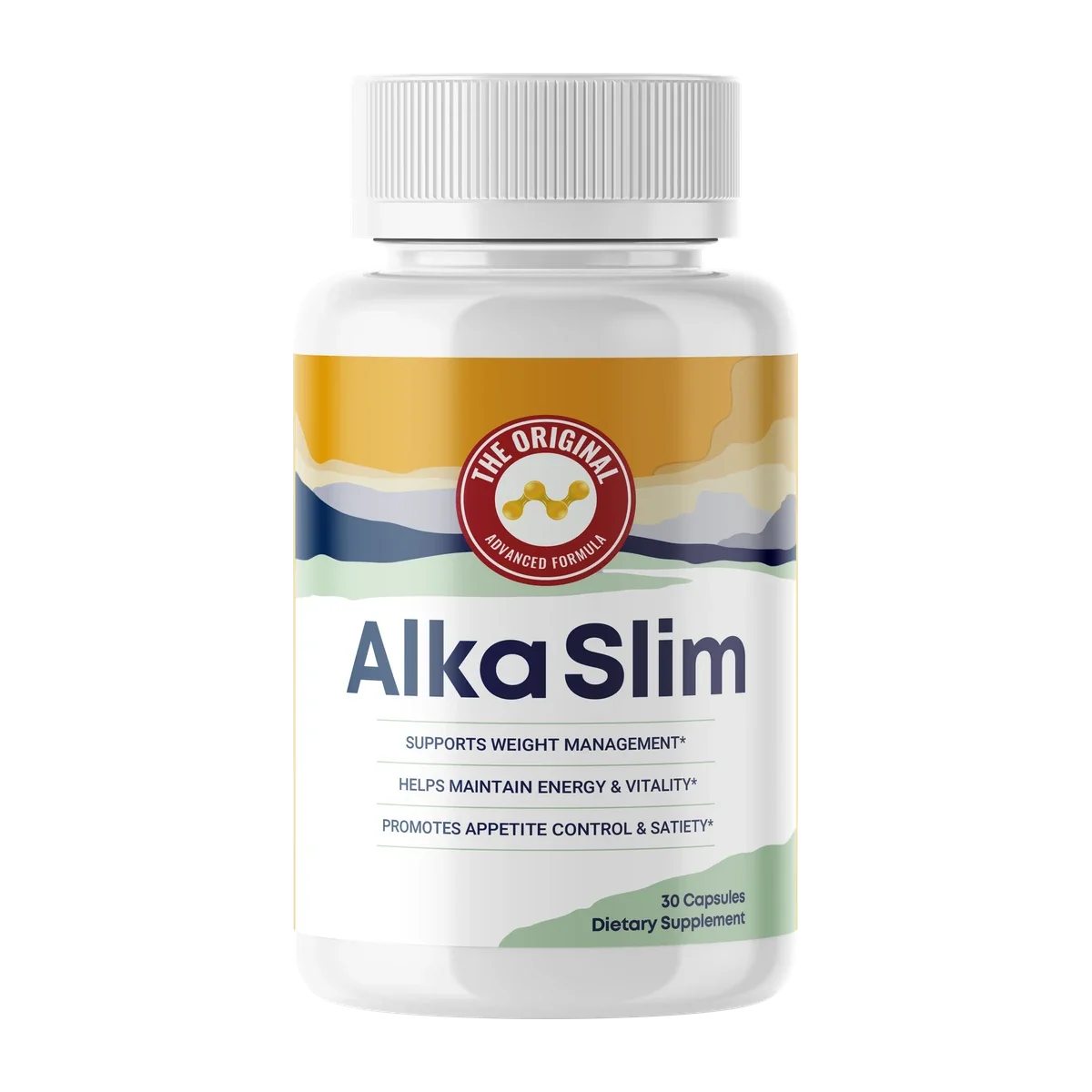
Skip the fat-blocker mess and the mystery blends
If you want the fiber mechanism with the best supplement evidence, at a disclosed dose, AlkaSlim is a once-daily capsule with a 60-day money-back guarantee.
Check Availability at the Official Store