Berberine as Nature’s Ozempic: Is the Viral Claim Real?
Quick Answer: Is Berberine Really Nature’s Ozempic?
No. Calling berberine nature’s Ozempic overstates it badly. Trials show roughly 2–4% body-weight loss over 12 weeks at 900–1500 mg a day, working through the AMPK energy pathway. Semaglutide, the drug in Ozempic, produces about 14–17%. Berberine is modest metabolic support, not a needle-free replacement for a GLP-1 drug.
- The gap is huge. ~2–4% for berberine versus ~14–17% for semaglutide is a different category, not a close race.
- Different mechanism. Berberine activates AMPK; Ozempic is a GLP-1 receptor agonist that powerfully suppresses appetite.
- Best framed as support. Modest help alongside diet and exercise, not a miracle.
Few supplement nicknames have spread as fast as “nature’s Ozempic,” the label that turned berberine from an obscure botanical extract into a sold-out sensation almost overnight. The pitch is irresistible: all the benefits of the famous weight-loss injections, from a cheap plant compound, with no prescription and no needle. It is a wonderful story. It is also, on the evidence, mostly wishful thinking. This article is the honest version — what berberine actually does, how far short of Ozempic it really falls, and where a realistic expectation should land.
To be clear up front, this is not a hit piece on berberine. It is a genuinely interesting compound with real metabolic effects, and used sensibly it can offer a small amount of support. The problem is not the molecule; it is the marketing. When a modest supplement gets dressed up as the equal of one of the most effective weight-loss drugs ever approved, buyers are set up for disappointment, and some may skip care that would suit them better. So let us separate the compound from the catchphrase.
What berberine actually does in the body
Berberine is a yellow alkaloid extracted from plants such as barberry, goldenseal and Oregon grape, and it has been used in traditional medicine for centuries, long before anyone thought to compare it to a peptide drug. Its headline mechanism in modern research is the activation of an enzyme called AMPK — adenosine monophosphate-activated protein kinase. AMPK is often described as a cellular “energy sensor”: when it switches on, cells shift toward using glucose and fat for fuel and away from storing them. Through this pathway berberine can modestly improve insulin sensitivity and help the body handle blood sugar more evenly, which is the most robustly supported part of its resume.
That metabolic tidying is real and worthwhile, but notice what it is not. It is not a powerful appetite suppressant, and it is not the mechanism Ozempic uses. This distinction is the entire crux of the “nature’s Ozempic” debate, so it deserves its own section — because two products can both “affect metabolism” and still be worlds apart in how, and how much.
Berberine as nature’s Ozempic: the magnitude gap
Here is the number that should end the debate. In the clinical trials behind it, berberine at roughly 900 to 1500 mg per day tends to produce something like two to four percent of body weight lost over about twelve weeks — and even that is usually alongside diet changes. Semaglutide, the active drug in Ozempic and Wegovy, produces on the order of fourteen to seventeen percent of body weight in its major trials. That is not a modest edge for the drug; it is a fourfold-to-eightfold difference. Calling berberine “nature’s Ozempic” is like calling a bicycle “nature’s bullet train” because both have wheels and move you forward. The pooled trials put it lower still and disagree with each other: one meta-analysis of twelve trials found a mean loss of about 2.07 kg, while a dose-response meta-analysis of ten trials found no significant change in body weight at all, only smaller BMI and waist measurements. In the pivotal 68-week trial published in the New England Journal of Medicine, once-weekly semaglutide produced a mean weight change of about 14.9 percent.
The mechanisms explain the gap. Ozempic is a GLP-1 receptor agonist: it mimics a satiety hormone at high, sustained levels, powerfully turning down appetite so people simply eat much less. Berberine works upstream on cellular energy metabolism through AMPK; it does not deliver anything close to that appetite effect. There is, at present, no conclusive evidence that berberine matches GLP-1 drugs on weight, blood-sugar control, or anything else the injections are prescribed for. Anyone selling it as a swap is selling the nickname, not the science.
Prefer honest, mechanism-based support over hype?
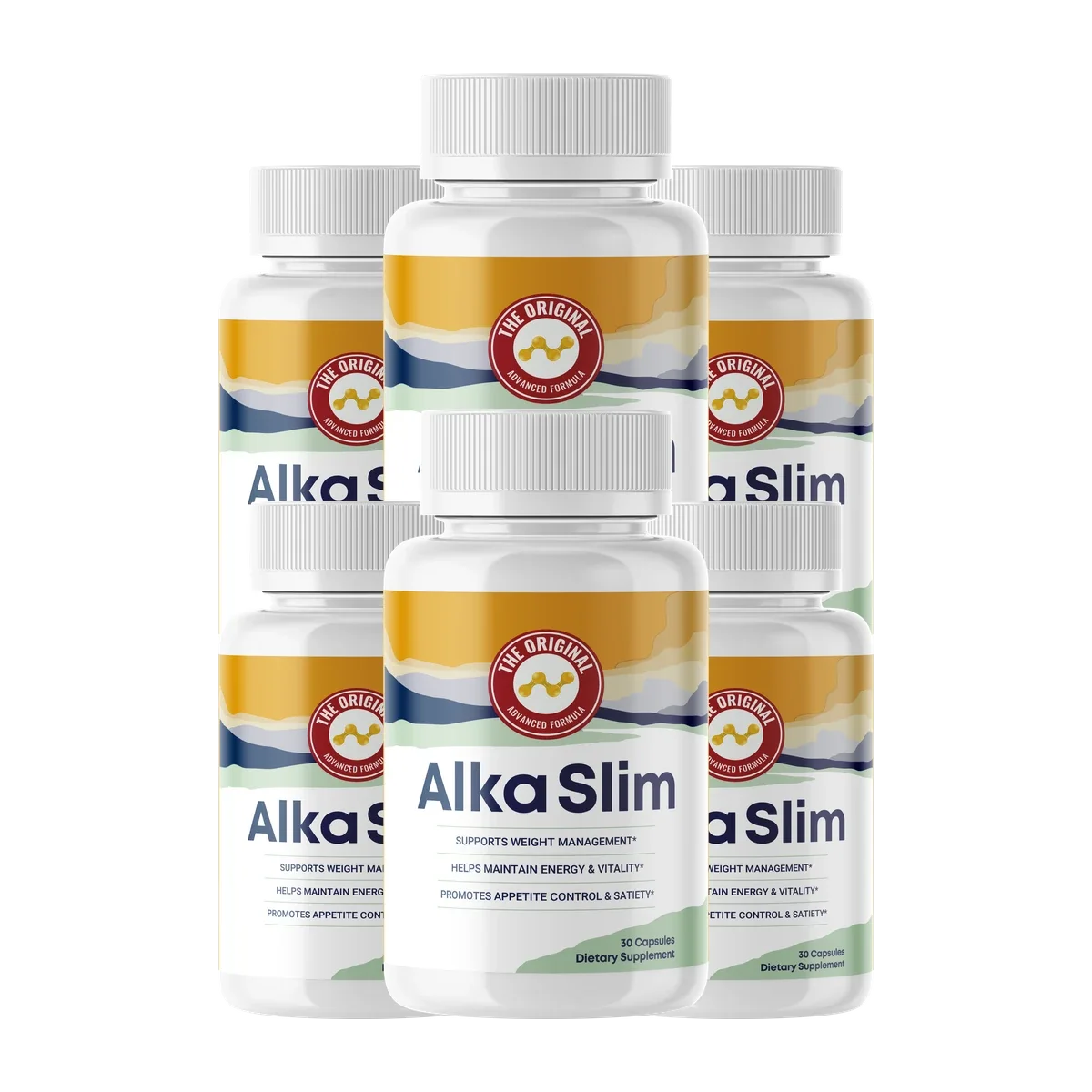
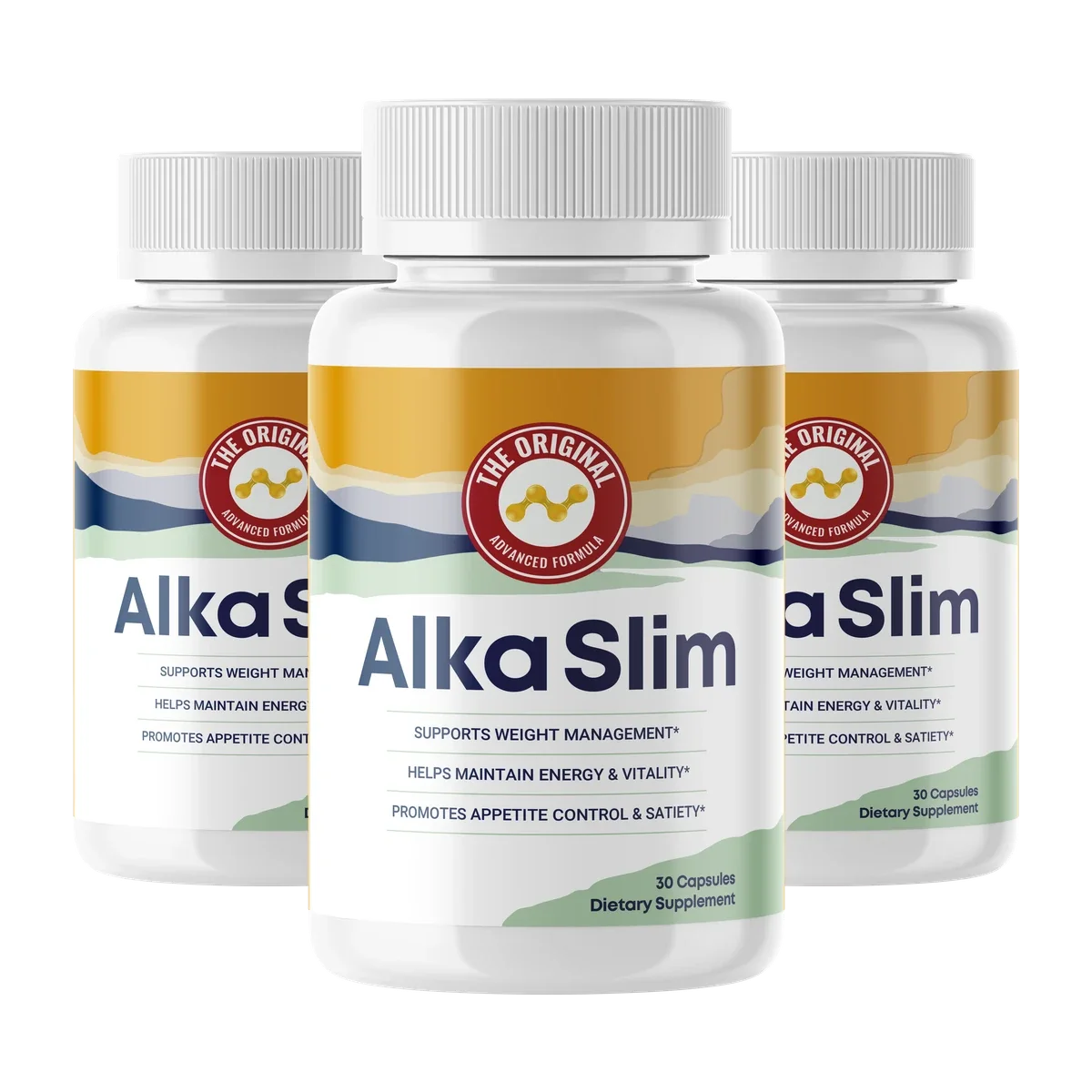
If you are drawn to berberine because you want realistic, needle-free metabolic help, AlkaSlim takes the same honest approach with a fiber-led formula — once daily, with a 60-day money-back guarantee.
See the Official StoreWhat berberine can realistically deliver
Strip away the hype and a fair picture emerges. For someone weighing around two hundred pounds, a two-to-four-percent loss over three months is roughly four to eight pounds — real, but not the kind of change that reshapes a life, and only when paired with the diet and activity the studies included. Berberine’s more consistent value may actually be on the metabolic side: several trials show useful improvements in fasting glucose and insulin sensitivity, which is why it draws interest for blood-sugar support rather than dramatic slimming. That is a respectable, honest role. It is simply a much smaller one than the marketing implies.
It also helps to understand why the nickname stuck, because the reason is marketing, not medicine. Berberine went viral on short-form video at the exact moment the real GLP-1 drugs were dominating headlines and running short on supply. A cheap, plant-based compound that could be framed as a stand-in was a perfect story for an anxious, waitlisted audience, and “nature’s Ozempic” is a far catchier hook than “a supplement that activates AMPK and may modestly improve insulin sensitivity.” The nickname spread because it was shareable, not because a study ever put the two head to head and found them equal. No such study exists.
The right frame, then, is berberine as a supporting player: a modest nudge to metabolism that may make a disciplined routine slightly more productive, sitting alongside — never instead of — sensible eating and movement. Any weight it helps with will show up gradually over months, not in a dramatic first few weeks, and it will be easiest to see when the surrounding diet is already roughly in balance. If you want to see how it ranks against the other popular options rather than in isolation, our evidence-ranked roundup of the best weight loss pills for 2026 places berberine exactly where the data put it: below fiber, above the stimulant crowd, and nowhere near the injectable drugs.
Dose, timing and quality
If you do try berberine, using it the way the research did matters. The studied range is roughly 900 to 1500 mg per day, and it is almost always split into two or three doses rather than taken all at once. There are two reasons for that. First, berberine has a short half-life, so dividing the dose keeps levels steadier through the day. Second, taking each dose with a meal both softens the notorious digestive side effects and lines the compound up with the post-meal blood-sugar rise it is meant to blunt. Swallowing 1,500 mg in one go on an empty stomach is the fast route to cramping and diarrhea.
Quality is the other half of the equation, and it is where the supplement aisle gets treacherous. Because supplements are not reviewed by the FDA before sale, potency and purity vary widely, and a “berberine complex” hidden inside a proprietary blend may contain a fraction of the studied dose. Insist on a product that discloses the exact milligrams of berberine per serving, so you can check it against the research, and be skeptical of blends that bury the number. The same label-reading discipline we recommend across every supplement category applies here in full.
The risks the hype skips over
“Natural” is not a synonym for “harmless,” and berberine is a good example of why. The most common issue is gastrointestinal: cramping, diarrhea and constipation are frequent, especially early or at higher doses. More importantly, berberine is not inert around medications. It influences the same liver enzymes (the cytochrome P450 system) that process a long list of drugs, so it can meaningfully interact with medicines for diabetes, blood pressure and blood clotting, among others — potentially pushing blood sugar too low when combined with glucose-lowering drugs, for instance. It is also not recommended during pregnancy or breastfeeding.
There is a subtler risk, too, and it is the one the “nature’s Ozempic” framing creates directly. Positioning a modest supplement as a replacement for a medical treatment can lead people to postpone or skip care that genuinely fits their situation, in favor of a compound the evidence says is far weaker. That is why every honest discussion of berberine, including this one, has to end at the same place: talk to a qualified professional before starting it, particularly if you take any medication or manage a health condition. For a broader, non-hyped look at the whole thermogenic-and-metabolism category, our review of what the evidence actually says about metabolism boosters gives berberine its fair, unglamorous context.
| Factor | Berberine | Semaglutide (Ozempic) |
|---|---|---|
| Type | Plant-derived supplement | Prescription GLP-1 drug |
| Main mechanism | Activates AMPK energy pathway | GLP-1 receptor agonist, suppresses appetite |
| Typical weight change | ~2–4% over ~12 weeks | ~14–17% in trials |
| Regulatory status | Unapproved supplement | FDA-approved, physician-managed |
| Honest label | Modest metabolic support | Powerful, monitored treatment |
Where a fiber-led option like AlkaSlim fits
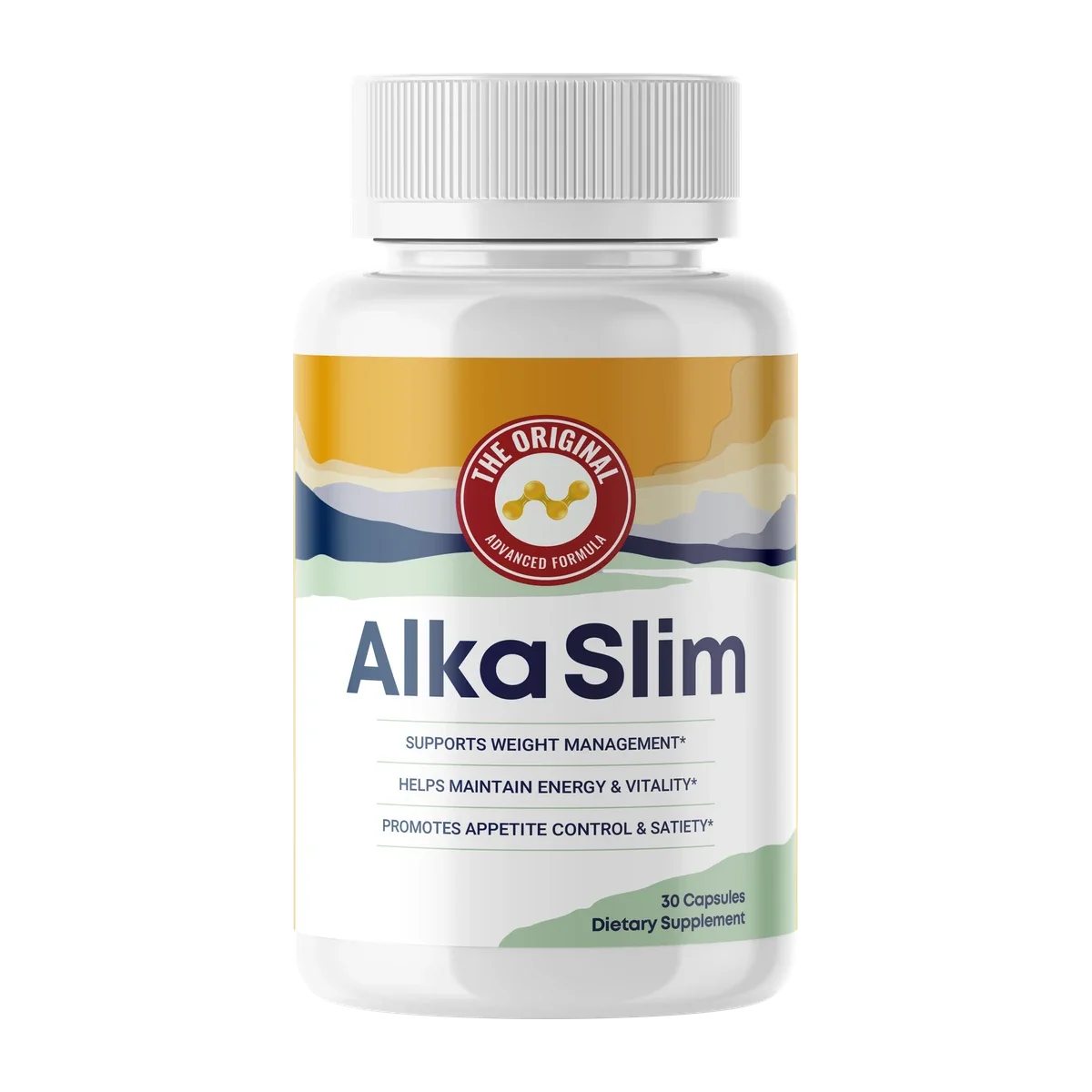
If berberine appealed to you because you wanted a realistic, needle-free way to support your metabolism, that instinct is sound — it is just pointed at the wrong headline. AlkaSlim is a once-daily fibre-led capsule built on the same honest premise this article argues for: no miracle claims, no “Ozempic in a bottle,” just a mechanism with genuine evidence used within its real limits. Viscous soluble fiber works by slowing digestion and gently supporting the body’s own satiety signaling, and like berberine it belongs alongside diet and exercise rather than in place of them. The difference is in the marketing honesty, and that is precisely the point. If you want to know where to get the genuine product rather than a copycat, see our guide on where to buy AlkaSlim from the official source, and read up on AlkaSlim side effects and safety before you start.
Related reading
Frequently asked questions
Is berberine as effective as Ozempic for weight loss?
No. That is the honest answer. Berberine trials show roughly 2 to 4 percent of body weight lost over about 12 weeks, while semaglutide, the drug in Ozempic and Wegovy, produces about 14 to 17 percent in its trials. There is no conclusive evidence that berberine matches a GLP-1 drug, and the nickname nature's Ozempic dramatically overstates what the supplement can do.
How much weight loss can berberine realistically deliver?
Realistically, a couple of percent of body weight over about three months, taken alongside diet and exercise. For a 200-pound person that is roughly four to eight pounds, not a transformation. Berberine works mainly by activating the AMPK energy pathway and improving how the body handles blood sugar, which is a genuine but modest metabolic support rather than a powerful appetite suppressant.
What is the right berberine dose and timing?
Studies typically use about 900 to 1500 mg per day, split into two or three doses taken with meals to reduce stomach upset and to match the timing of blood-sugar rises. Berberine has a short half-life, which is why it is divided through the day rather than taken all at once. Quality and disclosed dosing matter, so avoid proprietary blends that hide how much you actually get.
Are there risks in using berberine as an Ozempic substitute?
Yes. Digestive upset such as cramping, diarrhea and constipation is common, and berberine can interact with many medications, including drugs for diabetes, blood pressure and blood thinning, because it affects liver enzymes. It is not recommended in pregnancy or breastfeeding. Treating it as a like-for-like Ozempic replacement can also mean skipping care that actually fits your situation. Talk to a professional first.
Scientific references
- NCCIH, National Institutes of Health — Berberine
- PubMed — The effect of berberine supplementation on obesity indices: a dose-response meta-analysis and systematic review of randomized controlled trials (Complement Ther Clin Pract, 2020)
- NIDDK, National Institutes of Health — Prescription Medications to Treat Overweight and Obesity
- PubMed — Once-Weekly Semaglutide in Adults with Overweight or Obesity (New England Journal of Medicine, 2021)
- NIH Office of Dietary Supplements — Dietary Supplements for Weight Loss
Choose the honest version of “natural support”
If you want realistic, needle-free help without the “nature’s Ozempic” overclaim, AlkaSlim is a once-daily fibre-led capsule with a 60-day money-back guarantee.
Check Availability at the Official Store