Natural Ozempic Alternatives That Work
Quick Answer: Do Natural Ozempic Alternatives Work?
Yes, but modestly. The most effective natural Ozempic alternatives stack the same GLP-1 lever the drugs use: soluble fibre and protein raise your own satiety hormones, berberine supports glucose metabolism, and curcumin may extend GLP-1's active life. Expect gentle, cheaper, no-script support — roughly a few extra pounds — not drug-level results. The clearest human proof of that lever came from a trial in Gut in which propionate delivered to the colon raised GLP-1 and PYY and reduced energy intake in overweight adults.
- Fibre and protein: the strongest natural triggers of your own GLP-1.
- Berberine and curcumin: supplement support for glucose and hormone half-life.
- Honest scale: supportive, safer and cheaper — not a drug replacement.
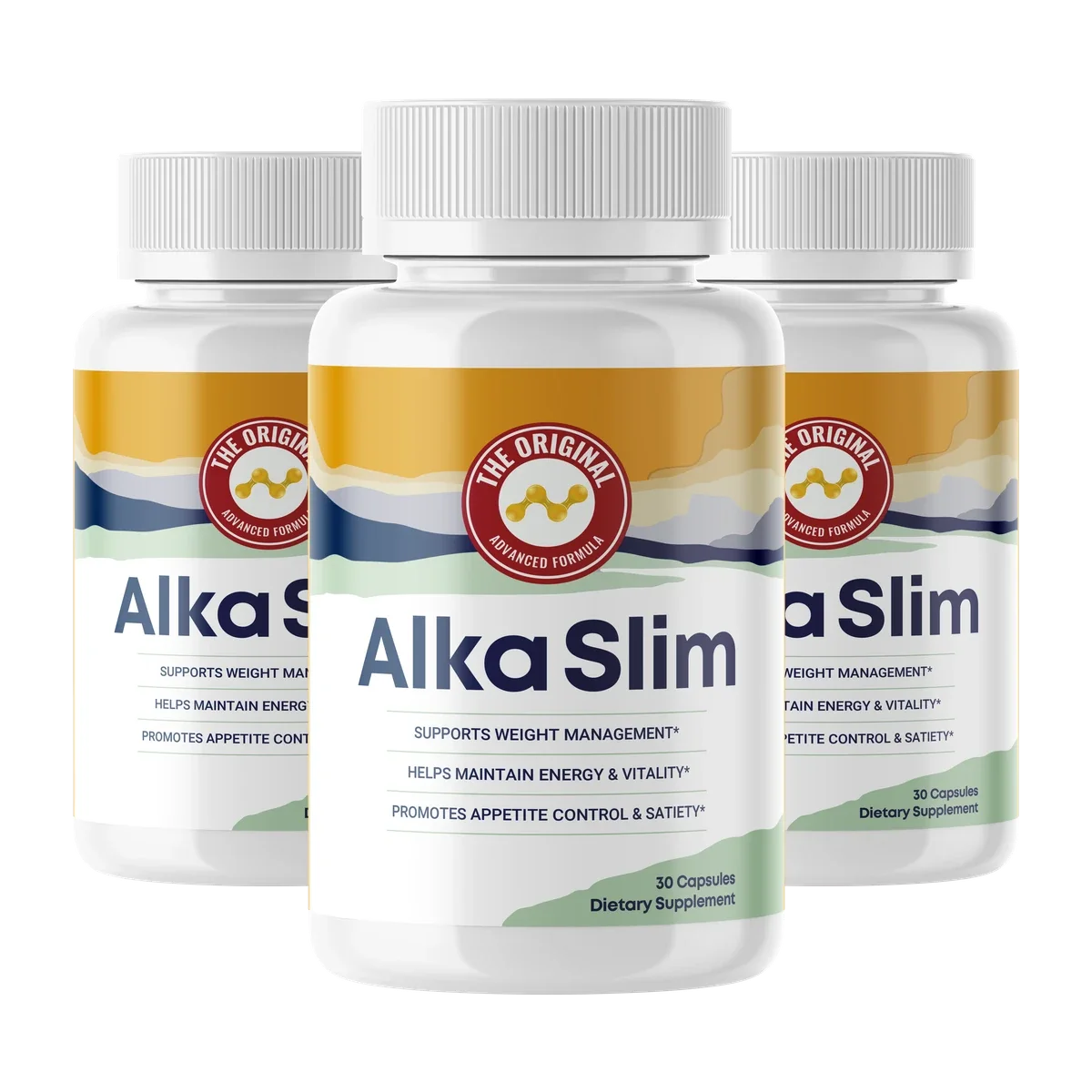
If you have watched the GLP-1 drug boom and thought "is there a way to get some of that benefit without a prescription, an injection, or the price tag?", you are asking the right question — and you are far from alone. Searches for natural Ozempic alternatives that work have exploded, and the internet has answered with a flood of claims ranging from genuinely useful to outright fantasy. This guide sorts one from the other. We will explain how the drugs actually work, which natural levers pull on the same system, what results are realistic, and where a no-script fibre blend like AlkaSlim honestly fits.
Let us be clear from the first paragraph, because honesty is the whole point: no supplement, food, or tea matches the efficacy of a GLP-1 medication. Anything that says otherwise is selling you a story. What natural options can do is nudge the same biology in a gentler, cheaper, prescription-free way — and for a lot of people, that is a genuinely worthwhile trade.
How Ozempic works — and the natural lever it reveals
Ozempic and similar medications are GLP-1 receptor agonists. GLP-1, or glucagon-like peptide-1, is a hormone your gut already releases after you eat. It does several helpful things at once: it tells your brain you are full, it slows the rate at which your stomach empties so that fullness lasts, and it helps regulate blood sugar. The drugs work by flooding your system with a long-acting version of this signal, which dramatically reduces appetite. That is why they are so effective, with clinical trials showing average weight loss in the region of fifteen to twenty-one percent of body weight for the newer agents.
Here is the key insight that the entire "natural alternative" category rests on: you make GLP-1 yourself, every day, and you can influence how much of it you release and how long it lasts. That is the lever. Natural approaches cannot deliver a pharmaceutical dose, but they can turn up your own production and slow the enzyme that breaks it down. Understanding that mechanism is what separates the evidence-based options from the snake oil.
Fiber and protein: the strongest natural GLP-1 boosters
The two most powerful and best-documented triggers of your own GLP-1 are not exotic supplements — they are on your plate. Soluble fibre and protein are the heavy hitters, and any honest list of natural Ozempic alternatives that work has to start here.
Soluble fibre is fermented by bacteria in your gut, producing compounds that stimulate GLP-1 release, and its physical bulk slows digestion in a way that mirrors, faintly, what the drug does mechanically. Foods rich in it — oats, beans, lentils, apples, and the konjac-derived glucomannan found in AlkaSlim — are among the most satiating you can eat. Protein is the other pillar: it is the most filling macronutrient, it triggers satiety hormones including GLP-1, and it protects the lean muscle that keeps your metabolism ticking during weight loss. If you want the full mechanism, our deep dive on how fiber and protein raise GLP-1 satiety hormones walks through the science step by step.
This is precisely why a fibre-led formula is a sensible foundation for a natural approach. It is not pretending to be a drug; it is amplifying a dietary lever you should be pulling anyway.
Berberine: the "nature's Ozempic" claim, honestly weighed
No article on this topic can skip berberine, the plant compound that went viral on social media under the nickname "nature's Ozempic." So let us weigh it fairly. Berberine has a real and substantial research base, but it is important to understand what that research actually shows. Its primary, best-supported action is on glucose metabolism: it activates an enzyme called AMPK that improves how cells take up and use blood sugar, which is why it is taken seriously for insulin sensitivity.
What berberine is not is a GLP-1 drug in a capsule. The weight-loss figures in berberine studies are modest — typically in the range of one to three percent of body weight — against the fifteen-to-twenty-one percent seen with the medications. Calling it "nature's Ozempic" is marketing, not pharmacology. That does not make it useless; steadier blood sugar means fewer crash-driven cravings, which supports appetite control indirectly. It simply means you should hold realistic expectations. We separate the viral hype from the genuine evidence in our full analysis of the truth behind berberine as nature's Ozempic.

Try a no-script, fibre-led approach risk-free
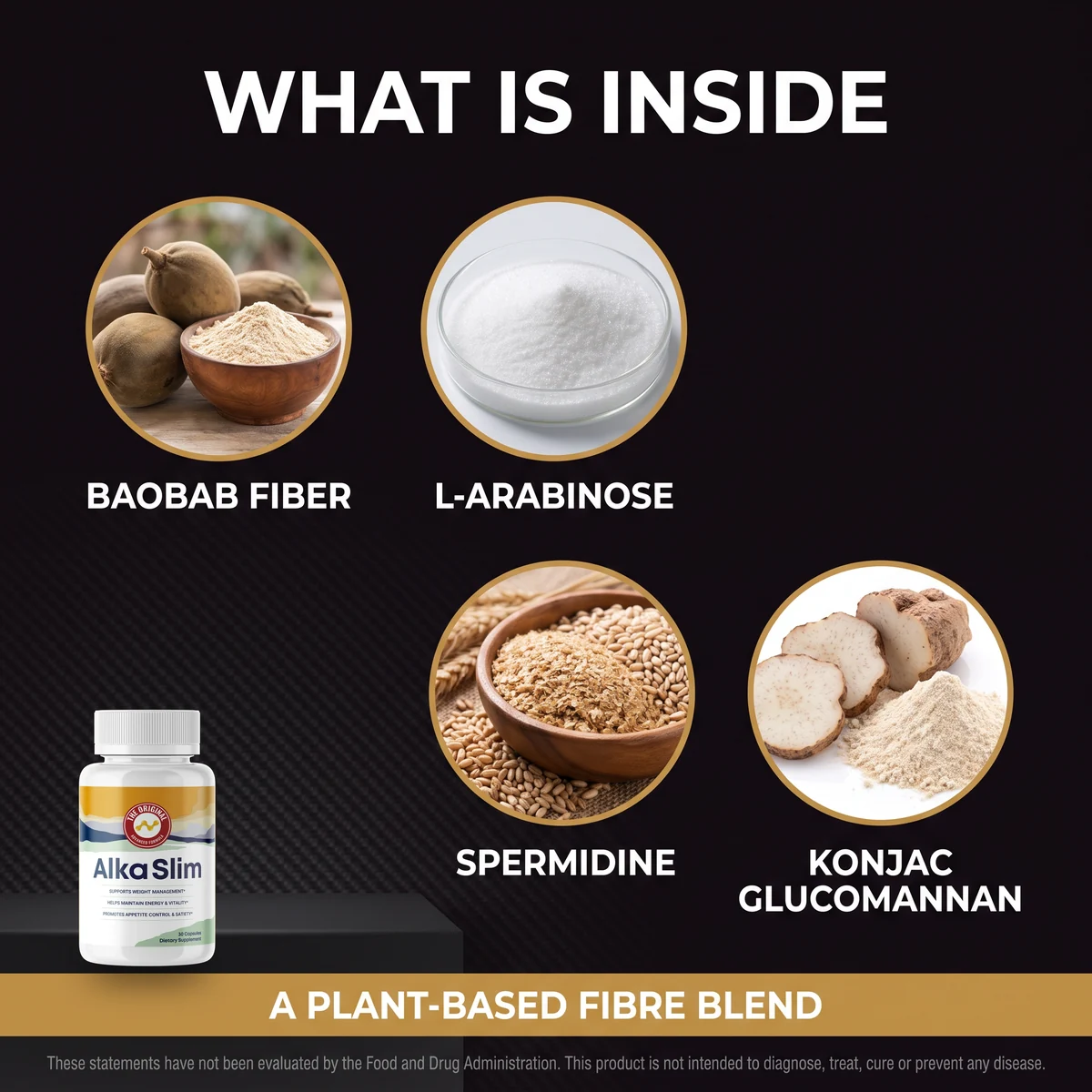
AlkaSlim combines konjac glucomannan with baobab fiber, L-arabinose and spermidine, backed by a 60-day money-back guarantee — a low-risk way to test the viscous-fibre route.
See the AlkaSlim OfferCurcumin and the DPP-4 angle
One of the more interesting and less-hyped natural levers is curcumin, the active compound in turmeric. Remember that GLP-1 is broken down in the body by an enzyme called DPP-4 — and in fact an entire class of diabetes drugs (the "gliptins") works by inhibiting that enzyme so GLP-1 lasts longer. Laboratory work suggests curcumin has some DPP-4-inhibiting activity, but we have found no human trial that quantifies how much longer GLP-1 actually survives as a result, so we are not going to put a number on it. What the human evidence does cover is glucose control: a GRADE-assessed dose-response meta-analysis of randomised trials found curcumin supplementation improved glycaemic indices in adults, which is a narrower and more modest claim than weight loss. The proposed mechanism, if it holds up, is that rather than making more GLP-1, curcumin helps the GLP-1 you already produce stick around longer to do its job.
The honest caveats matter: curcumin is notoriously poorly absorbed on its own, the human evidence for this specific weight effect is still developing, and the magnitude is nowhere near a drug. But it illustrates the intelligent way to think about this whole category — not "what replaces Ozempic" but "which small, safe levers can I stack on the same GLP-1 system?" Stacked together, fibre and protein raise production, berberine steadies the metabolic backdrop, and curcumin may slow the breakdown. None is dramatic alone; combined with a good diet, they add up to meaningful support.
| Approach | How it acts on GLP-1 | Realistic weight effect |
|---|---|---|
| Soluble fibre & protein | Raise your own GLP-1 release; slow digestion | Meaningful support; the dietary foundation |
| Berberine | AMPK / glucose metabolism (indirect) | ~1–3% body weight in studies |
| Curcumin | May inhibit DPP-4, extending GLP-1's life | Small, supportive; evidence developing |
| Supplements combined + diet | Stacked, gentle nudges on the same system | Roughly ~3–5 extra lbs, safely and cheaply |
| GLP-1 drugs (Ozempic etc.) | Flood the system with long-acting GLP-1 | ~15–21% body weight; prescription-only |
What results should you realistically expect?
This is the section most sales pages skip, so we will not. If you build a good calorie-controlled, higher-protein, higher-fibre diet and add a supportive supplement stack, the honest, evidence-based expectation is modest: on the order of a few extra pounds — often quoted as roughly three to five — beyond what the diet alone achieves, gained more comfortably because hunger is easier to manage. That is a real benefit. It is also a fraction of what the medications deliver.
So who is the natural route genuinely right for? People who do not qualify for or want a prescription; people put off by the drugs' cost, injections, or gastrointestinal side effects; people who want a sustainable, food-first foundation they can maintain for years; and people looking to bridge or supplement rather than chase a dramatic transformation. Framed that way, "natural Ozempic alternatives that work" is not a lie — it is a realistic, honest promise, as long as the word "work" is scaled correctly. If you are also curious how prescription options stack up in plain terms, our guide to how natural appetite suppressants work is a useful companion.
Three myths about natural Ozempic alternatives
Myth one: "This supplement is basically Ozempic without the prescription." No supplement is. The efficacy gap is large and well documented. The correct claim is that certain natural options pull gently on the same GLP-1 lever, producing modest, supportive results. Any product implying drug-equivalent weight loss is misleading you, and that alone is a reason to distrust the brand.
Myth two: "Natural means there's nothing to worry about." Safer than a drug on average is not the same as risk-free. Berberine can lower blood sugar and interacts with several medications, so it is genuinely important to talk to a doctor if you take anything for diabetes or blood pressure. High-dose fibre needs plenty of water and a gradual ramp-up. Respect these tools and they are gentle; ignore the cautions and even natural ingredients can cause problems.
Myth three: "If I take the supplement, I can skip the diet." This is the myth that sinks the most people. Every natural GLP-1 lever we have discussed works with your diet, not instead of it — fibre and protein are literally food. The supplement is an amplifier for good habits, never a replacement for them. Used as a shortcut around the diet, it will disappoint; used to make a good diet easier to sustain, it earns its place.
How AlkaSlim fits the natural approach
Bring the evidence together and a clear, honest picture emerges. The foundation of any natural Ozempic alternative that works is a diet rich in soluble fibre and protein, because those are the strongest triggers of your own GLP-1. On top of that foundation, a well-designed supplement can add convenience and a few extra supportive levers. AlkaSlim sits in exactly that role: konjac glucomannan and baobab fiber supply the viscous fibre that promotes fullness, and L-arabinose is studied for how sucrose is broken down. It contains no berberine and no enzymes, and it publishes no doses, so treat it as a fibre capsule rather than as a comfortable enough to actually maintain.
What AlkaSlim does not do — and what we would never claim — is replace a GLP-1 medication or the diet itself. It is a no-prescription, no-injection, gentler and cheaper way to lean on your own satiety biology, given a fair trial inside its 60-day guarantee. If that honest scale matches what you are looking for, it is a reasonable place to start. If you need drug-level results, that is a conversation for your doctor, not a supplement.
Related reading
Frequently asked questions
What is the best natural alternative to Ozempic?
There is no single natural product that matches the drug, but the most evidence-backed approach stacks the levers: plenty of soluble fibre and protein to raise your own GLP-1 satiety signal, berberine for glucose metabolism, and curcumin, which may slow GLP-1 breakdown. A fibre-led capsule such as AlkaSlim covers the fibre lever only — it contains no berberine or curcumin — and food and habits do the heavy lifting.
Do natural Ozempic alternatives actually work?
They work, but modestly and not to the same degree as the drug. Realistically, supplements and dietary changes support roughly three to five pounds of loss on top of a good diet, versus the far larger figures seen with GLP-1 medications. The honest value of natural options is that they are cheaper, need no prescription, and carry a gentler side-effect profile.
Which foods and supplements boost GLP-1 naturally?
Soluble fibre from oats, beans, konjac and vegetables, and protein at each meal, are the strongest dietary triggers of your natural GLP-1 release. On the supplement side, berberine supports glucose metabolism, and curcumin has been shown to inhibit the DPP-4 enzyme that breaks GLP-1 down, extending its active life. None of these matches a drug dose, but together they nudge the same system.
Are natural alternatives safer than Ozempic?
For most healthy adults, food-based and supplement options carry a milder side-effect profile and no injection, but safe is not the same as effective. Berberine can interact with medications and lower blood sugar, and high-dose fibre needs plenty of water. Prescription GLP-1 drugs are powerful and clinically monitored for good reason. Discuss any weight-loss plan with your doctor first.
Scientific references
- NIDDK, National Institutes of Health — Prescription medications and GLP-1 for weight management
- PubMed — Effects of targeted delivery of propionate to the human colon on appetite regulation, body weight maintenance and adiposity in overweight adults (Gut, 2015)
- PubMed — Effects of curcumin/turmeric supplementation on glycemic indices in adults: a GRADE-assessed systematic review and dose-response meta-analysis of randomized controlled trials (Diabetes Metab Syndr, 2023)
- NIH Office of Dietary Supplements — Dietary Supplements for Weight Loss
Start the natural, no-prescription route today
If a gentler, food-first approach to your own satiety hormones is what you want, see AlkaSlim's current offer and 60-day money-back guarantee at the official store.
Get the AlkaSlim Offer