Prescription Weight Loss Pills Explained: What They Do, What They Cost, and the Natural Alternative
Quick Answer: What Are Prescription Weight Loss Pills?
Prescription weight loss pills are doctor-supervised medicines in two main families: older appetite suppressants such as phentermine and newer GLP-1 drugs such as semaglutide. The GLP-1 options are the most powerful, but they require a prescriber, cost more, and commonly cause digestive side effects. Natural supplements offer a gentler, no-script starting point.
- GLP-1 drugs are the strongest. Roughly 15–21% of body weight lost in trials, but a prescriber is required.
- Phentermine is cheaper and short-term. An appetite suppressant, not a long-term daily habit.
- Natural OTC supplements target a few pounds. No script, lower cost, milder side-effect profile.
Prescription weight loss pills have gone from a quiet corner of medicine to a mainstream conversation, and the noise around them makes it hard to see what is actually on offer. If you have typed “prescription weight loss pills” into a search bar and come away more confused than before, you are not alone. The category has changed faster in the last three years than in the previous thirty, and most of what people repeat about it is half-remembered marketing rather than a clear picture of how these medicines work, what they cost, and who they are really for.
This guide keeps things plain. We will walk through the two families of prescription pills that matter in 2026, put honest numbers on how well they work, and be equally honest about their price tags and side effects. Then we will explain where a natural, over-the-counter supplement fits — not as a rival that claims the same power, but as the accessible first step a great many people take before they ever sit in a prescriber’s office. The goal is a decision you can make with clear eyes, not a sales pitch dressed up as advice.
The two families of prescription weight loss pills
Almost every prescription weight loss pill you will hear about falls into one of two groups, and understanding the split does most of the work of understanding the category. The first group is the older, established appetite suppressants, of which phentermine is by far the best known. The second group is the newer GLP-1 receptor agonists, the medicines behind the headlines about dramatic weight loss. They are not variations on a theme; they work by different mechanisms, carry different price tags, and are meant for different situations.
Phentermine has been around for decades. It is a stimulant-type appetite suppressant that dampens hunger signals so you eat less without white-knuckling it, and it is usually prescribed for short courses of a few weeks rather than indefinitely. Because it is old and off-patent, it is cheap, which is a real advantage. The catch is that its stimulant nature can raise heart rate and blood pressure and interfere with sleep, and its appetite-suppressing effect tends to fade as the body adjusts, which is precisely why it is framed as a short-term jump-start rather than a permanent solution.
The GLP-1 family — semaglutide and tirzepatide are the names you will recognise — is a different animal entirely. These medicines mimic a natural gut hormone that tells the brain you are full and slows how quickly the stomach empties, so appetite drops in a deep, sustained way rather than a jittery one. It is worth being precise here: the most powerful GLP-1 treatments are injections, not tablets, though oral versions exist and more are arriving. When people talk about prescription weight loss pills producing enormous results, they are usually thinking of this family, and the results are genuinely large by the standards of everything that came before.
How well prescription weight loss pills actually work
Here is where honesty matters most, because the numbers are the whole reason these medicines dominate the conversation. In the major trials, GLP-1 treatments have delivered somewhere in the region of 15 to 21 percent of total body weight lost over roughly a year to eighteen months of continued use. For a 200-pound person, that is thirty to forty-two pounds — a scale of change that older diet pills never came close to. That is not hype; it is the trial data, and it is why these drugs reset expectations for what a medicine can do. Those are the published figures: once-weekly semaglutide produced a mean weight change of about 14.9 percent over 68 weeks and once-weekly tirzepatide at its highest dose produced about 20.9 percent over 72 weeks, both in the New England Journal of Medicine and both alongside lifestyle intervention.
Phentermine sits well below that. As a short-term suppressant it can help kick-start a diet and produce a useful early drop, but the effect is smaller and it is not designed to be carried for months on end. And a natural fiber supplement, to be completely straight with you, sits below phentermine on raw magnitude: it realistically targets a few pounds — on the order of three to five — by making a calorie deficit easier to hold rather than by overpowering your appetite chemically. If you want the wider landscape ranked by evidence rather than marketing, our evidence-ranked guide to the best weight loss pills of 2026 lays out where each option truly lands.
The temptation is to read those numbers and conclude that only the prescription route is worth bothering with. That would be a mistake, and the rest of this article explains why. Raw effect size is one axis of a decision that also runs on cost, access, side effects and how much medical supervision you want in your life. A smaller effect you can actually start today, afford, and tolerate can beat a larger one that stays out of reach.
Not ready for a prescriber’s office just yet?
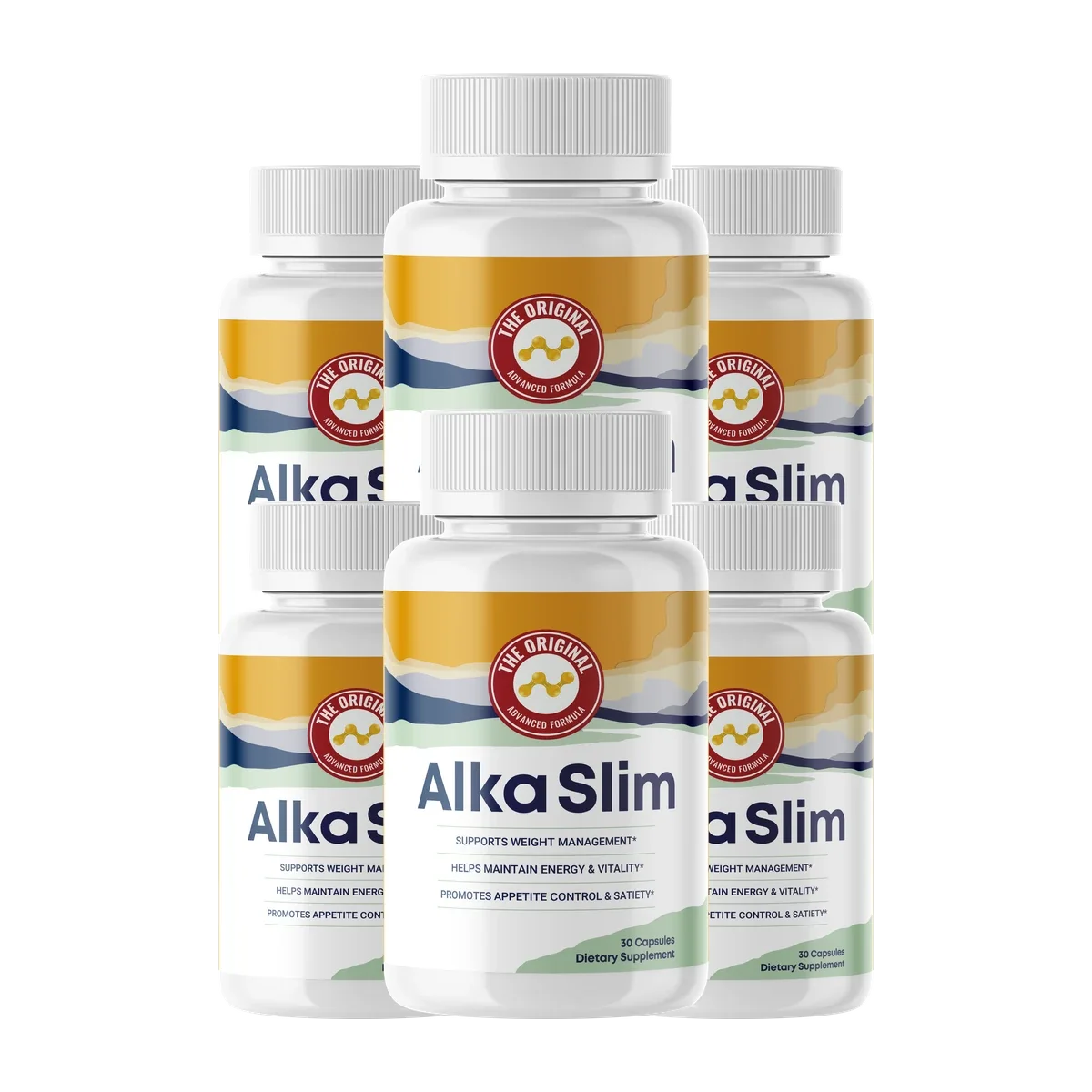
If you want to support appetite control and a calorie deficit without a script, a co-pay or an injection, a once-daily fibre-led capsule is the sensible place to start. AlkaSlim ships with a 60-day money-back guarantee.
See the Official StoreThe real trade-offs: cost, access and side effects
Effectiveness is only the first column of the ledger. The second is cost, and it is significant. Brand-name GLP-1 treatments can run to several hundred or even more than a thousand dollars a month without insurance coverage, and coverage for weight loss specifically is patchy and often contested. Phentermine is cheap by comparison, but it is also limited to short courses, so it solves a different, smaller part of the problem. A natural supplement is a fraction of the monthly cost of a GLP-1 drug, which is not a trivial factor when weight management is a project measured in months and years.
Access is the second trade-off, and it is easy to underestimate. A prescription requires a prescriber’s assessment, often follow-up appointments, and, for the injectables, navigating supply that has been genuinely constrained at times. None of that is a dealbreaker, but it is friction, and friction is where good intentions go to die. A no-script option removes that friction entirely: you can begin today, without a gatekeeper, which for a lot of people is the difference between starting and endlessly planning to start.
Then there are side effects, which are real for every option on this page. GLP-1 medicines commonly cause nausea, constipation and other gastrointestinal effects, particularly during the weeks when the dose is being increased; most people find these settle, but some do not tolerate them. Phentermine’s stimulant profile can mean a racing heart, higher blood pressure and disrupted sleep. Natural fiber, by contrast, tends to cause nothing more dramatic than some early gas or bloating as your gut adjusts. That gentler profile is a genuine part of the appeal, not a consolation prize.
Myth versus reality: three things people get wrong
The first myth is that prescription pills are the only thing that works and everything else is a placebo. That is false in both directions. Prescription GLP-1 drugs are powerful, but natural approaches built on appetite control and fiber produce modest, real effects, and even the prescription trials were run alongside diet and lifestyle changes that did much of the heavy lifting. “Smaller” is not the same as “nothing,” and pretending only the strongest option counts pushes people to do nothing at all while they wait for access they may never get.
The second myth is that a prescription is quick, cheap and easy to obtain. For some it is; for many it is a maze of appointments, insurance denials, high co-pays and supply gaps. Going in expecting a smooth path and hitting that wall is how people give up on weight management entirely, when a lower-friction start would have kept them moving. Knowing the friction in advance lets you plan around it rather than be ambushed by it.
The third myth is that natural means fake or unregulated snake oil. The honest version is more nuanced. Supplements are not reviewed by the FDA before sale, which puts the burden of judgement on you — but that is an argument for reading the label carefully, not for dismissing the whole category. Ingredients such as viscous fiber have respectable evidence behind them, and the same skeptical eye you would want applied to a drug can steer you toward a transparent, honestly dosed supplement. If you are weighing the no-script route, our buyer’s guide to over-the-counter weight loss pills shows exactly what separates a credible label from a mystery blend.
Where natural supplements like AlkaSlim fit
Put the trade-offs together and a sensible sequence appears for a lot of people. Rather than treating a GLP-1 prescription as the only door, they start with the accessible option: a natural, no-script supplement that supports appetite control and makes a calorie deficit easier to sustain, at low cost and with a mild side-effect profile. If that gets them where they want to be, wonderful. If it does not, they have lost little and can then have an informed conversation with a prescriber about whether the cost, access and side effects of a prescription are worth it for their situation.
AlkaSlim is a once-daily fibre-led capsule built for exactly that starting role. It leans on the viscous-fiber mechanism — the one with the steadiest supplement evidence — to work with your appetite rather than against your nervous system, and it is honest about being a diet aid rather than a substitute for one. It will not out-muscle a GLP-1 injection, and this page would be lying if it claimed otherwise. What it offers is a way to begin today, without a prescriber, a co-pay or a needle, backed by a 60-day money-back guarantee that lets you test it on your own terms.
Some people are curious about the botanicals marketed as drug-free stand-ins for these medicines. That is a reasonable thing to explore, provided you keep expectations grounded; our look at whether berberine really deserves the “nature’s Ozempic” label is a good reality check before you spend money on the nickname rather than the evidence.
| Option | Realistic effect | Access & cost | Main caveat |
|---|---|---|---|
| GLP-1 drugs (semaglutide, tirzepatide) | ~15–21% body weight in trials | Prescriber required; high monthly cost | Nausea, GI effects; strongest forms are injections |
| Phentermine | Modest, short-term kick-start | Prescriber required; low cost | Stimulant effects; not for long-term use |
| Natural fiber supplement | ~3–5 lb alongside a diet | No script; low monthly cost | Modest effect; early gas as gut adjusts |
How to decide between prescription and natural
There is no single right answer, only a decision that fits your situation. If you have a large amount to lose, medical supervision available to you, and the budget or coverage to sustain a GLP-1 regimen, the prescription route offers results nothing else matches, and it deserves a serious conversation with a qualified provider. If your goal is more modest, your budget is real, or you simply want to start moving today without a gatekeeper, the natural route is a rational, honest first step rather than a compromise.
Whichever you choose, one truth holds across every column of the table: the pill is a tailwind, not the walk. Every option here — the powerful prescriptions included — was studied alongside diet changes, and each one works by making a calorie deficit easier to keep rather than by erasing it. Build the diet first, then choose the tool that fits your life, your wallet and your tolerance for side effects. That is the framing that keeps you from wasting money at either end of the spectrum.
Related reading
Frequently asked questions
What prescription weight loss pills are available in 2026?
In 2026, the main prescription weight loss pills fall into two families. The older, cheaper option is phentermine, a short-term appetite suppressant. The newer, far more powerful family is the GLP-1 medications such as semaglutide and tirzepatide, though the strongest of these are injections rather than tablets. Every one of them requires a prescriber's assessment and ongoing supervision, which is the single biggest practical difference from an over-the-counter supplement.
How effective are prescription pills vs natural supplements?
The gap is real and worth stating plainly. GLP-1 prescription treatments can produce roughly 15 to 21 percent of body weight lost in trials, while a natural fiber supplement realistically targets a few pounds by making a calorie deficit easier to hold. Prescription pills win on raw magnitude; supplements win on access, cost and side-effect profile. Many people sensibly start with a natural, no-script option before deciding whether a prescription is worth the trade-offs.
Do prescription weight loss pills have side effects?
Yes. Phentermine can raise heart rate and blood pressure and disturb sleep, which is why it is usually limited to short courses. GLP-1 medications commonly cause nausea, constipation and other gastrointestinal effects, especially while the dose is being increased. None of this makes them bad choices under supervision, but it does explain why a gentler natural option appeals to people who want to start slowly.
Is a natural supplement a good alternative to prescription pills?
For many people, yes, as a starting point. A natural supplement will not match the raw numbers of a GLP-1 drug, and it would be dishonest to claim otherwise. What it offers is an accessible, no-prescription way to support appetite control and a calorie deficit, at a lower cost and with a milder side-effect profile. It is a reasonable first step, and a sensible complement to the diet changes every prescription also requires.
Scientific references
- NIDDK, National Institutes of Health — Prescription Medications to Treat Overweight and Obesity
- U.S. Food and Drug Administration — Postmarket Drug Safety Information
- PubMed — Once-Weekly Semaglutide in Adults with Overweight or Obesity (New England Journal of Medicine, 2021)
- PubMed — Tirzepatide Once Weekly for the Treatment of Obesity (New England Journal of Medicine, 2022)
- NCCIH, National Institutes of Health — Dietary Supplements for Weight Loss
- NIH Office of Dietary Supplements — Dietary Supplements for Weight Loss
Start where the friction is lowest
You can plan around insurance and appointments later. If you want to begin supporting appetite control today, AlkaSlim is a once-daily fibre-led capsule with a 60-day money-back guarantee — no script required.
Check Availability at the Official Store