Berberine for Weight Loss: The Right Dosage and an Honest Fat-Loss Timeline
Quick Answer: What Is the Right Berberine Dose and Timeline?
For weight loss, berberine is typically dosed at 500 mg two to three times a day before meals, up to about 1,500 mg daily. Expect modest results — roughly four to five pounds over one to three months — not an overnight change. GI side effects are common, and it interacts with some medications.
- Dose: 500 mg, 2–3× daily before meals; up to ~1,500 mg/day total.
- Timeline: ~4–5 lb over 1–3 months; a 2024 trial reported ~12% belly-fat reduction over 3 months.
- Caution: GI upset is common; it interacts with statins and blood thinners — ask a provider first.
If you are considering berberine for weight loss, the two questions that actually decide your results are the least glamorous ones: how much to take, and how long to wait. Berberine is a plant compound — found in barberry, goldenseal and other botanicals — that has spent the last few years being marketed with wild promises. Strip the hype away and what remains is a genuinely interesting ingredient with a modest, real effect, provided you dose it correctly and give it an honest amount of time to work. This article is about those numbers, not the nickname.
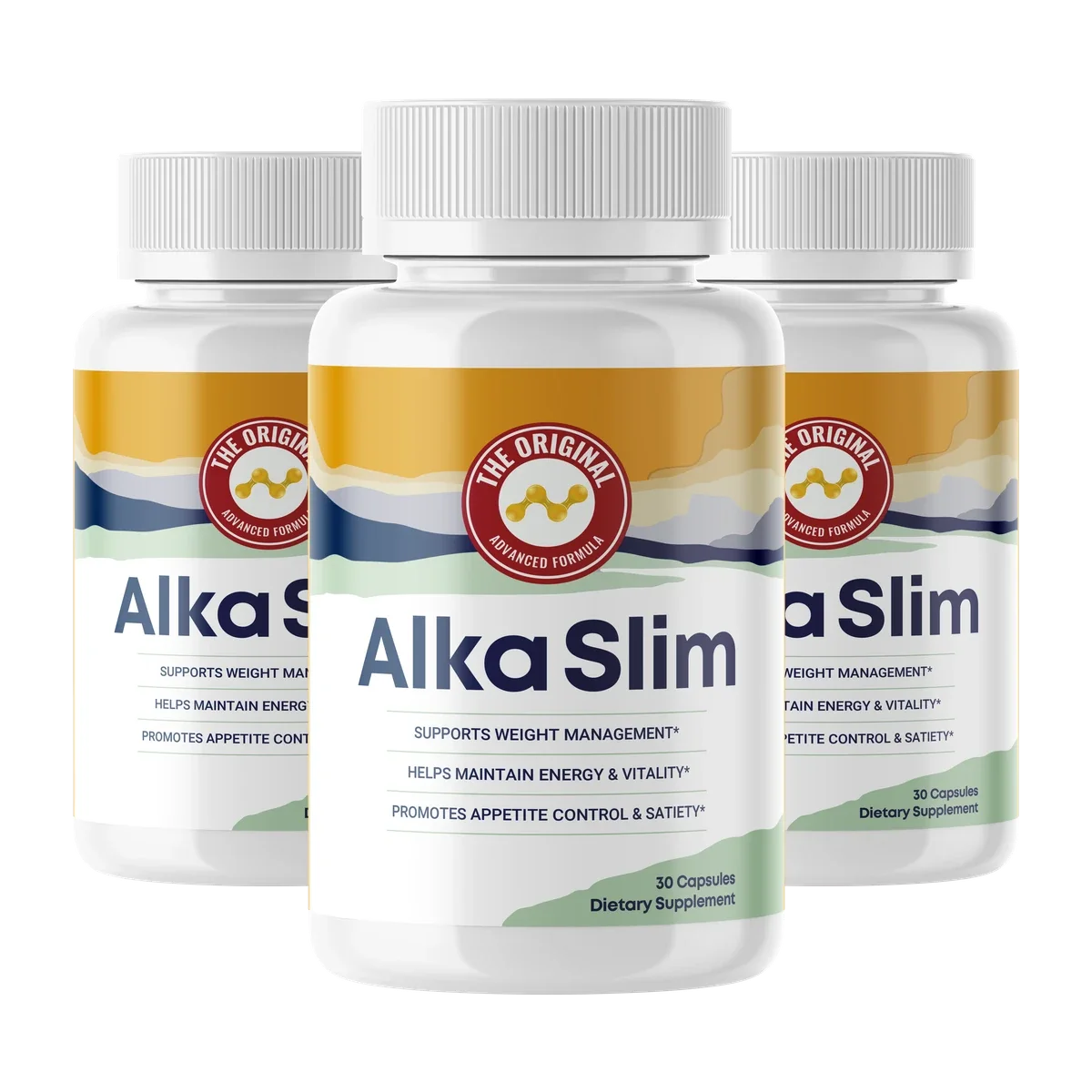
We will cover the dose the research actually uses, why it is split across the day, and how to ramp up without spending your first week in the bathroom. Then we will lay out a realistic timeline — including what a 2024 trial found for belly fat specifically — and the side effects and drug interactions you genuinely need to check before you start. To be clear about our own position: AlkaSlim, the product this site covers, contains no berberine at all — its four named actives are konjac glucomannan, baobab fiber, L-arabinose and spermidine. We are covering berberine because readers ask about it, not because we sell it, so we would rather set your expectations correctly than watch you quit at week two convinced it failed.
The correct berberine dose for weight loss
The dose that appears again and again in the research is 500 mg taken two to three times a day, which adds up to a daily total of roughly 1,000 to 1,500 mg. That is the range where the human studies were run, and it is the range worth matching if you want the effect those studies describe. Going meaningfully above it does not buy you proportionally more benefit; it mostly buys you more stomach trouble, which is the fastest way to talk yourself out of continuing. That is the range pooled in the meta-analyses: a systematic review of twelve randomised trials in Clinical Nutrition ESPEN reported a mean reduction of about 2.07 kg in body weight, 0.47 kg/m² in BMI and 1.08 cm in waist circumference.
The reason it is split into two or three doses rather than swallowed all at once is straightforward pharmacology: berberine has a short half-life and clears the body relatively quickly, so spacing it out keeps levels steadier through the day rather than spiking once and fading. Splitting also spreads the digestive load, which matters because berberine’s most common downside is gastrointestinal. The practical move is to start low — a single 500 mg dose with your largest meal — and build up to two or three doses over a week or two as your gut adjusts. That gentle ramp is the difference between a tolerable start and an abrupt, unpleasant one.
A quick word on quality, because dose on the label only counts if it is actually in the capsule. Berberine is usually sold as berberine hydrochloride (HCl), and you want a product that states the amount of berberine per serving clearly rather than burying it in a proprietary blend. If a bottle will not tell you how many milligrams you are getting, you cannot match the studied dose, and matching the studied dose is the entire point.
How long before berberine starts working
Berberine is a slow burn, and that is the single most important expectation to set. It does not produce a next-morning change on the scale, and any marketing that implies it does is selling you a feeling rather than a result. The metabolic and appetite effects build gradually over weeks as the compound does its quiet work on blood sugar and how your body handles meals. In practical terms, the weight changes reported in trials are measured across one to three months of consistent, daily use — not days.
On magnitude, be realistic: the honest figure is something like four to five pounds over one to three months, on top of the diet you are already running. That is a modest, worthwhile edge, not a transformation. Central fat is where some of the more encouraging data sits, and it is worth quoting exactly rather than dramatically: a dose-response meta-analysis of ten randomised trials found waist circumference down by about 2.75 cm while body weight itself did not change significantly. Waist measurements are the honest unit here, and we could find no trial supporting the larger percentage figures that circulate online. Even so, keep the frame right: these are supporting numbers for a diet, not a replacement for one.
The most common mistake is quitting early. Someone takes berberine for ten days, sees nothing dramatic, and decides it does not work — when the trials that found an effect ran for eight to twelve weeks or longer. If you are going to test berberine, commit to a fair trial: give it at least eight uninterrupted weeks at a proper dose before you judge it. Judging it at day ten is judging a marathon at the first mile.
Want the studied berberine dose without the guesswork?
Getting the milligrams and timing right every day is where most people slip. If it is the viscous-fibre route you want instead, AlkaSlim is a once-daily capsule built on konjac glucomannan and baobab fiber — no berberine, and no published doses either — backed by a 60-day money-back guarantee, which is long enough for a genuinely fair trial.
See the Official StoreTaking berberine with food, and why timing matters
Berberine is best taken with or just before meals, and the timing is not arbitrary. A large part of how it is thought to help is by blunting the surge in blood sugar that follows eating, which means it needs to be present when the food arrives. Take it an hour after your plate is clear and you have missed the moment it is designed to influence. Dosing it right before your largest meals — typically breakfast and dinner, or spread across three meals — lines the compound up with the job you are asking it to do.
There is a comfort reason too. Berberine on an empty stomach is far more likely to cause cramping, gas or loose stools, whereas taking it on a full stomach softens that considerably. So food timing serves two masters at once: it improves the effect and it improves tolerability. If you have been taking berberine at random times and finding it either useless or unpleasant, timing it to your meals is the first thing to fix. It is a small change that often decides whether people stick with it.
Side effects and interactions you should not ignore
The most common berberine side effects are digestive: gas, mild cramping, constipation or diarrhea, especially in the first week or two and especially at higher doses taken without food. For most people these fade as the gut adjusts, which is exactly why the slow ramp-up matters. Starting at the full three-times-daily dose on day one is the classic way to trigger the very symptoms that make people abandon it before it has had a chance to help.
The interactions are the part that genuinely requires care, and this is not boilerplate. Berberine can interact with statins, with blood thinners, and with medications for blood sugar or blood pressure — in some cases amplifying their effects in ways that matter. It can also affect how the body processes certain other drugs. For that reason, anyone taking prescription medication, managing a health condition, or who is pregnant or breastfeeding should talk to a qualified provider before starting berberine. This is one supplement where “check with your doctor” is a real instruction, not a legal reflex, and skipping it is a mistake.
The “nature’s Ozempic” myth, in numbers
You cannot discuss berberine in 2026 without addressing the nickname, so let us do it with numbers rather than slogans. Berberine has been branded “nature’s Ozempic,” and the phrase does more harm than good because it invites a comparison berberine cannot win. Prescription GLP-1 medicines have delivered on the order of 15 to 21 percent of body weight lost in trials; berberine’s honest figure is a few pounds and a low double-digit dent in belly fat over months. Both are real; they are simply not in the same weight class, and pretending otherwise sets you up to feel let down.
The right way to think about berberine is as a legitimate metabolic-support ingredient with a modest, evidence-backed effect — not as a drug-strength shortcut. We pull that specific comparison apart in our deep dive on whether berberine truly earns the “nature’s Ozempic” label, and if you want the wider category context, our review of what the evidence actually says about metabolism boosters puts berberine next to its shelf-mates. Read either and the same conclusion holds: respect the ingredient, ignore the nickname.
Berberine and viscous fibre: two different levers
Berberine does one job — nudging how your body handles the sugar in a meal — but appetite is a second, separate lever, and this is where the formula design matters. Berberine and viscous fibre work on different parts of the same problem: berberine on the metabolic side of a meal, fibre on the fullness side by forming a gel that slows stomach emptying and prolongs satiety. Neither is a miracle alone. Worth saying plainly, since this site covers it: the AlkaSlim formula is the fibre lever only — konjac glucomannan, baobab fiber, L-arabinose and spermidine, with no berberine in it. If you want both levers you are buying two products, not one.
The other reason to get berberine from a considered formula rather than a random bottle is consistency. The results in the research come from a proper dose, taken with meals, every day, for weeks — and the honest truth is that people are bad at that when they are counting out capsules from three different jars. A once-daily, transparently dosed capsule removes the friction that quietly sabotages most self-directed berberine experiments. If you want to see where berberine sits among the wider field first, our evidence-ranked look at the best weight loss pills of 2026 is a useful map before you commit.
| Question | Practical answer |
|---|---|
| Daily dose | 500 mg, 2–3× daily; ~1,000–1,500 mg total |
| When to take it | With or just before your largest meals |
| How to start | One 500 mg dose, build up over 1–2 weeks |
| When to expect change | Gradual over weeks; judge at 8–12 weeks |
| Realistic result | ~4–5 lb over 1–3 months; ~12% belly fat in a 2024 trial |
| Check first if | On statins, blood thinners, diabetes/BP meds, or pregnant/nursing |
Related reading
Frequently asked questions
What's the correct berberine dose for weight loss?
Most research on berberine for weight loss uses 500 mg taken two to three times a day, for a total of roughly 1,000 to 1,500 mg daily. It is split into multiple doses because berberine clears the body quickly and because smaller, spaced doses are gentler on the stomach. Starting at one 500 mg dose and building up over a week or two is the usual way to reduce early digestive upset.
How long before berberine starts working?
Berberine is not fast, and any product promising overnight results is overselling. Metabolic and appetite changes tend to appear gradually over several weeks, with the modest weight and belly-fat changes reported in trials measured across one to three months of consistent daily use. Judging it before the eight-week mark is judging it early; give it a fair, uninterrupted run before deciding.
Should berberine be taken with food?
Yes, berberine is typically taken with or just before meals. Dosing it around food helps blunt the after-meal blood-sugar rise that is central to how it is thought to work, and taking it on a full stomach also reduces the cramping, gas or diarrhea that some people feel on an empty one. Splitting it across your largest meals of the day is the standard approach.
Who should not take berberine?
Berberine is not for everyone. It can interact with statins, blood thinners and blood-sugar or blood-pressure medication, and it should be avoided during pregnancy and breastfeeding. Anyone on prescription medication, or managing a health condition, should speak to a provider before starting, because the interactions are genuine and not merely theoretical.
Scientific references
- NCCIH, National Institutes of Health — Berberine overview and safety
- PubMed — The effect of berberine supplementation on obesity parameters, inflammation and liver function enzymes: a systematic review and meta-analysis of randomized controlled trials (Clin Nutr ESPEN, 2020)
- PubMed — The effect of berberine supplementation on obesity indices: a dose-response meta-analysis and systematic review of randomized controlled trials (Complement Ther Clin Pract, 2020)
- NIH Office of Dietary Supplements — Dietary Supplements for Weight Loss
- NCCIH, National Institutes of Health — Dietary Supplements for Weight Loss
- MedlinePlus — Berberine: uses, interactions and cautions
Give berberine a fair, full-length trial
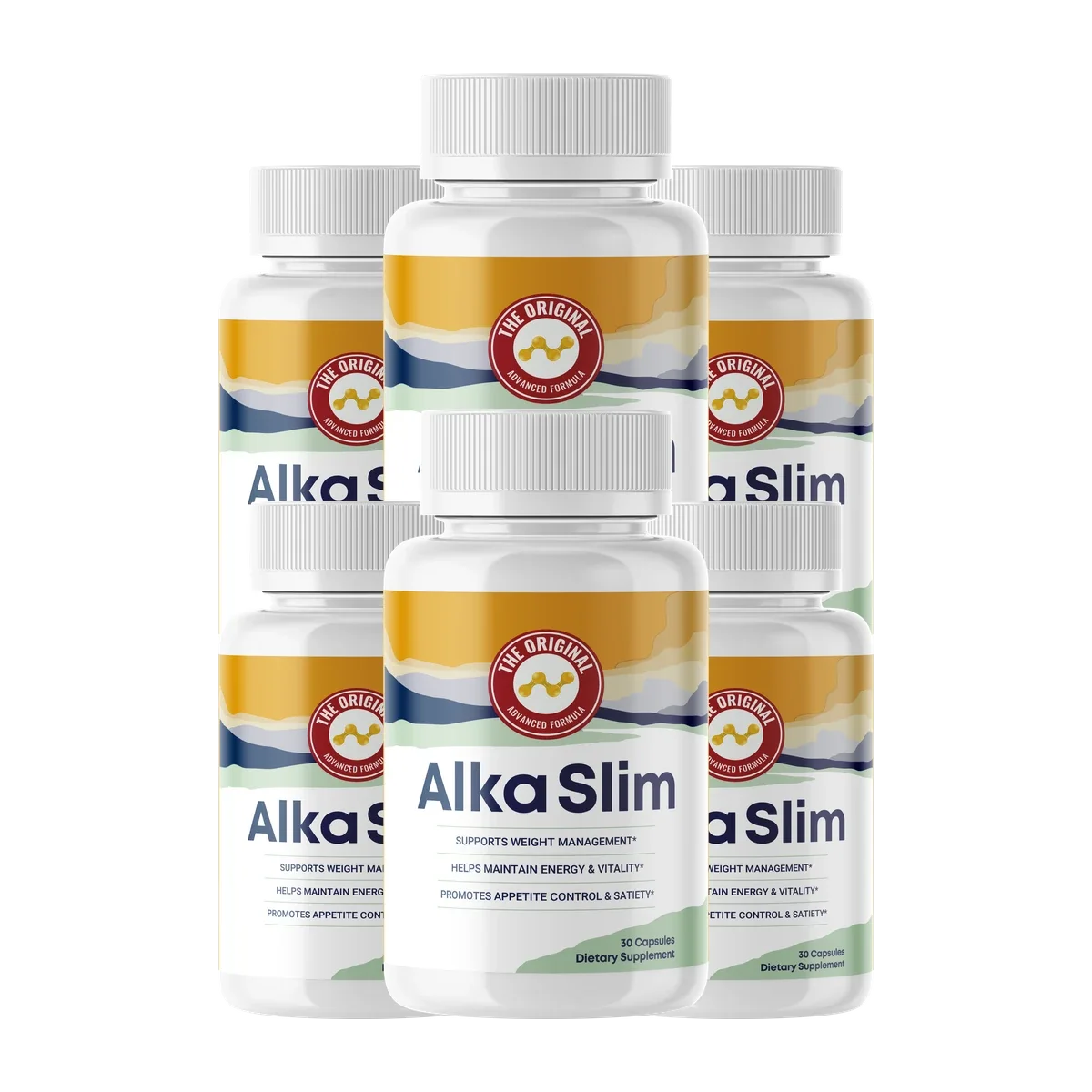
Berberine rewards consistency over weeks, and so does viscous fibre. If you would rather test the fibre lever, AlkaSlim is a once-daily capsule covered by a 60-day money-back guarantee — long enough for the whole timeline, though its own ingredient amounts are not published.
Check Availability at the Official Store